

A multi-vendor marketplace lets many independent sellers sell to your customers through one app or website. You do not hold the stock. You run the platform, bring buyers and sellers together, and earn a commission on each sale.
It looks simple, but it is really three products in one: an app for buyers, a control panel for sellers, and a back office for you that handles orders, payments and disputes. Most budget overruns in multi vendor marketplace development come from underestimating that third part.
This guide covers what to build, what it costs, how long it takes, and how to avoid the common mistakes.
Marketplace vs single-vendor store
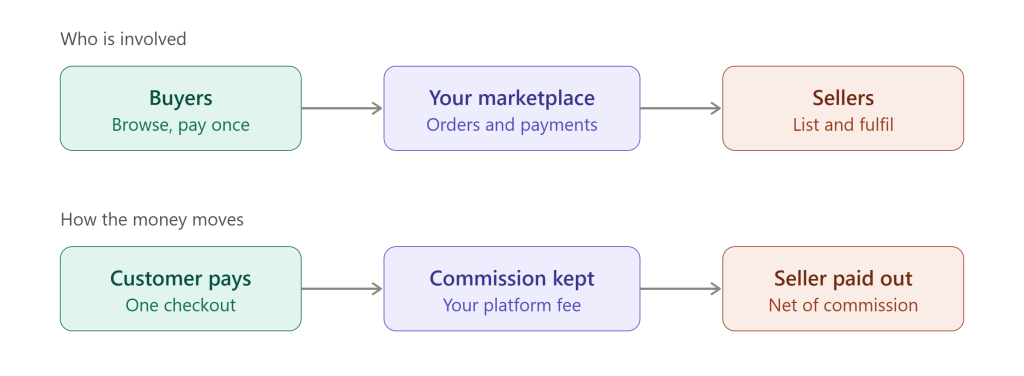
In a single-vendor store, you own the products, the stock and the deliveries. In a marketplace, sellers own those. You own the trust and the transactions between them.
| Area | Single-vendor store | Multi-vendor marketplace |
|---|---|---|
Products
| Added by your team
| Added by many sellers
|
Payments
| All money comes to you
| Split between sellers and your commission
|
Orders
| One delivery flow
| One cart can contain items from several sellers
|
Disputes
| Customer and you
| Customer, seller and you
|
Paperwork
| Your own business details
| Identity and tax details for every seller
|
Growth
| Marketing spend
| You need sellers and buyers growing together
|
The last row matters most. A marketplace with no sellers has nothing to buy, and one with no buyers loses its sellers. Your first version should serve both sides.
Must-have features
For buyers
- Search, filters and categories
- One cart and one checkout, even with items from different sellers
- Order tracking for each seller’s shipment
- Ratings and reviews
- Saved addresses, wishlists and notifications
For sellers (the vendor panel)
- Simple sign-up with identity document upload
- Product and stock management, including bulk upload from a spreadsheet
- Order list with status updates
- Earnings page showing sales, commission and payout history
Commission and payouts
This is where marketplaces differ most from normal online stores, and where mistakes cost the most.
- Commission rules: a flat percentage, or different rates by category or seller
- Split payments: one customer payment divided between sellers and your commission
- Payout schedule: weekly, bi-weekly or on request, with a hold period for returns
- Refunds: clear rules on who bears the cost and how it is deducted from the seller
- Tax handling: correct tax on each seller’s items, based on seller and buyer location
Design these rules before development starts. Changing how money moves after launch is slow and expensive.
Trust and quality
- Reviews only from verified buyers
- Seller scores based on late deliveries, cancellations and complaints
- Approval step for new sellers and products
- Option for buyers to report a problem
Your admin panel
- Approve, pause or remove sellers
- Set commission and fees
- Resolve disputes
- See sales, active sellers and repeat buyers in one place
Check the licensing rules first
If your platform holds seller money before paying it out, some countries treat that as a regulated payment activity. Many marketplaces avoid this by using a licensed payment provider that supports split payouts. Confirm this with a legal advisor in your target market before choosing your payment setup. It affects both the design and the launch date.
Which build approach should you choose?
| Approach | Best for | Trade-off |
|---|---|---|
Ready-made marketplace software
| Testing an idea quickly
| Fast and cheap to start, but limited changes and monthly fees
|
Ready-made base with custom work
| Marketplaces with a few special workflows
| Faster than building from scratch, but heavy changes get costly
|
Fully custom build
| Unique business models or large networks
| Higher upfront cost, full control over experience, data and payments
|
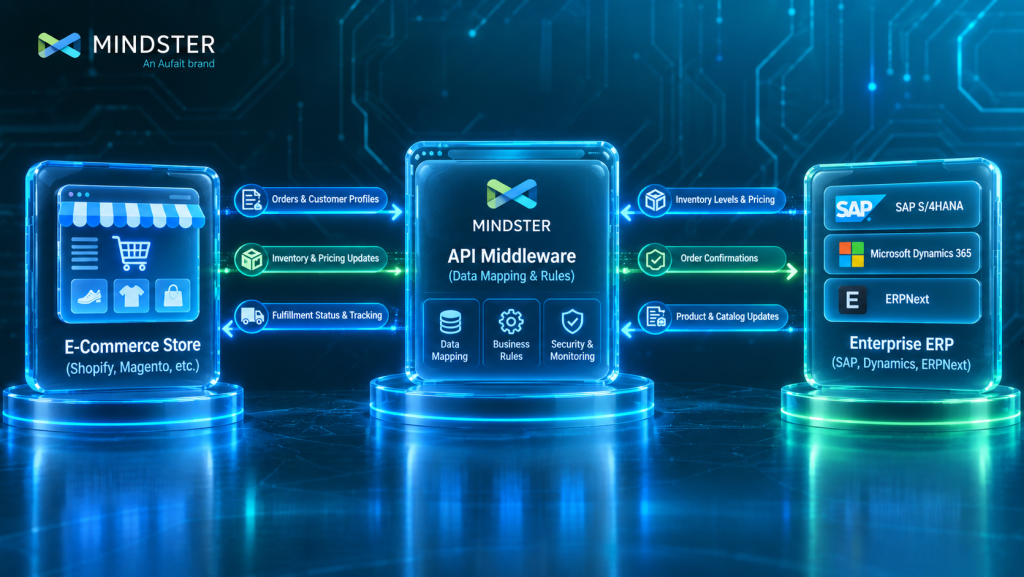
If you already run shops, warehouses or vendors and need the marketplace to connect with your existing stock and accounting systems, a custom build is usually the safer choice. Mindster’s Enterprise Multi-Vendor Marketplace Platform is built for this case. It splits one checkout into separate orders for each seller, cleans up seller product data before it goes live, and connects with existing ERP and warehouse systems.
For the app itself, one codebase can serve both iPhone and Android, which keeps cost down. See our mobile app development services and our view on whether Flutter is still the right choice.
Marketplace app development cost
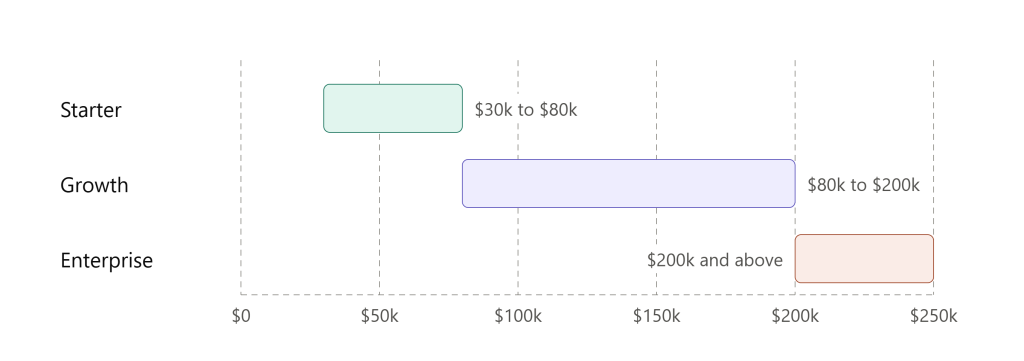
Costs depend on features, platforms and integrations. The ranges below are rough planning figures, not a quote.
| Stage | What is included | Indicative range (USD) |
|---|---|---|
Starter (MVP)
| Buyer app, basic seller panel, one payment provider, simple commission, admin panel
| $30,000 to $80,000
|
Growth
| Advanced seller tools, split payouts, reviews and approvals, reports, delivery integrations
| $80,000 to $200,000
|
Enterprise
| Multiple countries and currencies, ERP and logistics links, high traffic handling
| $200,000 and above
|
What changes the price most:
- Payments: split payouts, multiple currencies and tax rules add the most effort
- Platforms: website, iOS, Android and a separate seller app
- Connections to your existing systems: accounting, stock, delivery and identity checks
- Custom business model: auctions, rentals or bookings cost more than standard product sales
After launch: hosting, security updates and fixes are commonly budgeted at 15 to 20 percent of the build cost each year. Regular monitoring and testing keeps the app stable as traffic grows.
Not Sure What Your Marketplace Will Cost?
Tell us your features and sellers. We will map the budget before you commit anything.
Map My BudgetTimeline
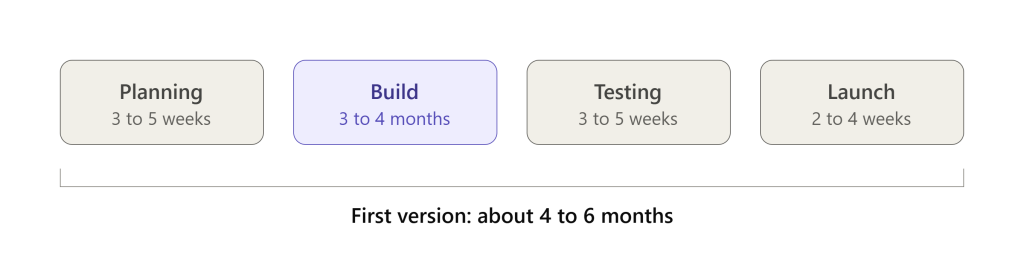
| Phase | Typical duration |
|---|---|
Planning, requirements and design
| 3 to 5 weeks
|
Building the first version
| 3 to 4 months
|
Testing, security checks and payment approval
| 3 to 5 weeks
|
Launch and early fixes
| 2 to 4 weeks
|
First version total
| About 4 to 6 months
|
Next set of features
| Additional 3 to 6 months
|
Two things often cause delays: seller sign-up and identity checks, and approval from the payment provider. Start both early, alongside development.
A marketplace in practice
Mindster built Laha, a multi-vendor fashion platform for women’s fashion in the Middle East, connecting independent designers in Oman with a wider audience. It shows the typical setup: a single app for buyers, with each designer managing their own listings.
How to build it in the right order
- Sign up a small group of sellers before you build anything
- Launch in one category or one city
- Track seller activity, repeat purchases and complaints from day one
- Automate payouts and seller approvals before adding many more sellers
- Expand to new categories or regions only after the numbers work
If you are comparing marketplace types, our guide on building a classifieds app like OLX covers a related model, and our grocery delivery solution covers multi-vendor delivery. If your platform will also hold customer balances or wallets, see our digital wallet solutions.
Planning a marketplace?
If you are looking for a marketplace app development company to scope your project, send us your requirements and how you want money to flow between buyers, sellers and you. We will tell you where the cost and risk sit before you commit budget. Contact Mindster or browse our retail and e-commerce solutions.
Planning a Multi-Vendor Marketplace?
Talk to our team about your sellers, payouts and launch timeline before you commit budget.
Talk to Our Team
Akhila drives the content strategy at Mindster, combining analytical clarity with a passion for digital product innovation. With a deep focus on mobile app strategy and software solutions, she bridges the gap between engineering complexity and intuitive user experiences. She thoughtfully articulates tech concepts, transforming frameworks, case studies, and digital transformation trends into actionable insights for product teams and business leaders.