Cut AI Costs by 90%: Why Smart Companies are Downsizing to Small Language Models (SLMs)

Every business is different, and your website should reflect that. Whether you’re launching a new digital presence or transforming an existing one, we combine strategy, UX, CMS expertise, and modern engineering to create websites that are intuitive to manage, engaging for users, and built to evolve with your business. From discovery and platform selection to development, optimization, and ongoing support, we deliver digital experiences that create measurable value long after launch.
















Our secure mobile and web-based wallets support multiple currencies, QR code payments, and loyalty program integrations. Our wallets are built with strong encryption and authentication mechanisms to ensure safe transactions while offering users flexibility in how they store and spend money.
Our purpose-built payment gateways integrate with trusted third-party providers to handle cards, UPI, net banking, and international transactions. Supporting multiple currencies and payment modes, clients can scale operations effortlessly while our gateways are optimized for speed, security, and reliability.
Our solutions include automated invoicing, recurring payment scheduling, and reconciliation tools that reduce manual effort and errors. By automating repetitive financial tasks, these modules ensure businesses maintain accurate revenue tracking and faster settlement cycles reducing administrative burdens.
Every successful CMS implementation starts with understanding the business, not selecting technology. We define your content strategy, information architecture, governance model, user journeys, and growth roadmap to ensure every decision supports measurable business outcomes.
Not every CMS fits every organization. We evaluate your content needs, editorial workflows, integrations, scalability, budget, and long-term goals to recommend the platform that best aligns with your business—whether WordPress, Drupal, Webflow, Shopify, a Headless CMS, or a custom solution.
With the right strategy and platform in place, we build secure, scalable digital experiences that balance performance, usability, and maintainability. Whether traditional or headless, every solution is designed for seamless content management, exceptional user experience, and future growth.
Moving to a new CMS requires more than copying pages. We audit existing content, preserve SEO value, migrate digital assets, implement redirects, and optimize content structures—ensuring a smooth transition with minimal disruption to users or search rankings.
Every website is engineered for speed, accessibility, discoverability, and measurable business performance. From Core Web Vitals and technical SEO to AI-ready structured data, analytics, conversion tracking, and CRM integrations, your platform is optimized to attract, measure, and convert visitors from day one.
A successful CMS continues to evolve long after launch. Role-based permissions, editorial workflows, security best practices, compliance, monitoring, and ongoing enhancements ensure your platform remains secure, scalable, and ready to support changing business needs.
Qatar University Smart Locker Management Ecosystem is an enterprise-grade middleware platform built on PHP Laravel that bridges user-facing…
 Custom App Development
The C3Pay fintech mobile ecosystem transformed traditional corporate payroll into the UAE’s largest digital banking platform for the…
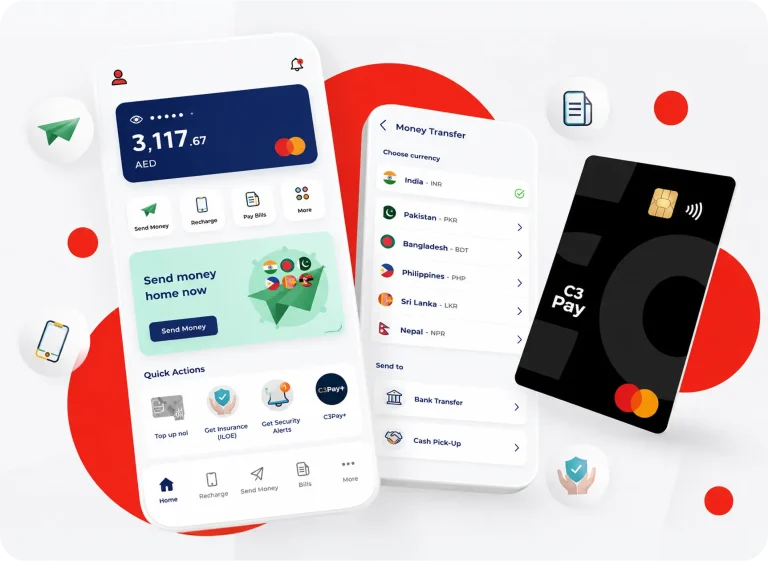 Fintech
A smart municipal operations platform that connected ServiceNow, WhatsApp, and mobile reporting to automate field dispatch, improve accountability,…
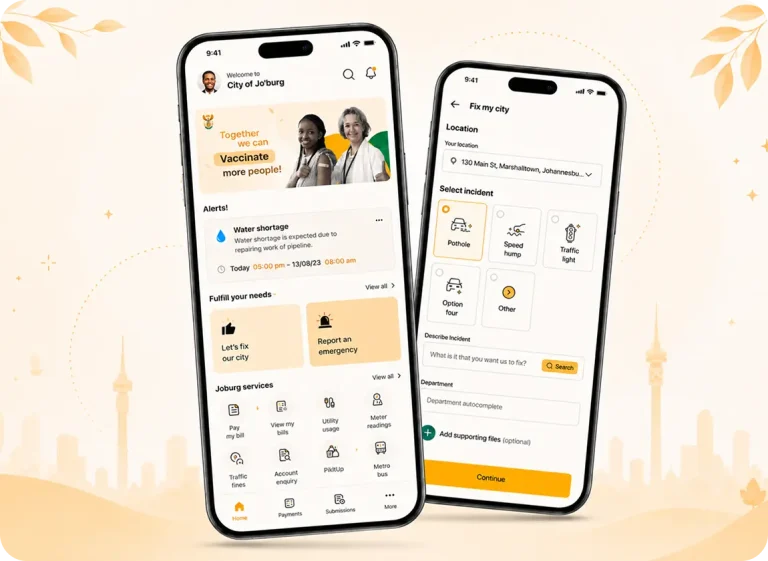 Digitized Urban Planning
A unified digital and physical learning environment using intuitive audio-visual navigation for toddlers, supported by a global e-commerce…
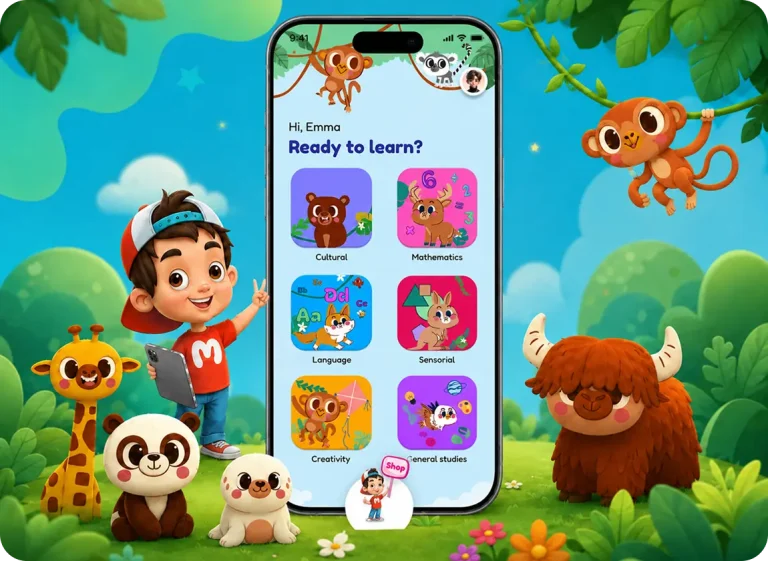 Education
A digital invoicing automation solution that connected ERP, staff apps, and real-time alerts to streamline store fulfilment, reduce…
 Jewelry
A comprehensive digital wallet platform integrated with MPCSS to enable seamless peer-to-peer transfers, merchant payments, and utility settlements…
 Fintech
A short conversation is usually enough to find out — including an honest answer if something simpler fits better.
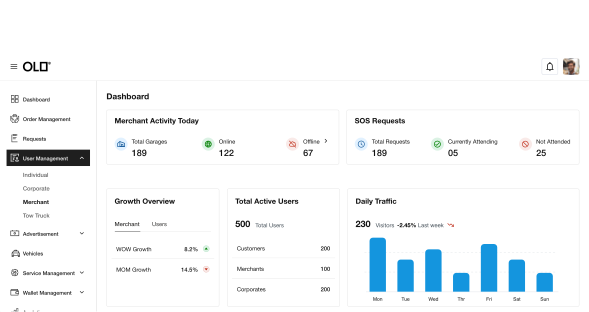
Discovery starts with the people the website serves — who they are, what they expect, and the actions they’re meant to take. These answers shape the business goals the platform is built to support, before any design or technology decision is made.
A content audit identifies what already exists and what needs to be created, structured for long-term scalability rather than a one-time launch. Editorial roles, approval steps, and multilingual or multi-site needs are mapped early, so publishing runs smoothly once live.
Platform selection weighs how well a CMS aligns with the business, along with what it needs to connect to — CRM, ERP, marketing automation, identity providers, or analytics tools. Governance, security, and permission requirements are defined alongside the technology choice, not after it.
How the website will support SEO, accessibility, performance, and future digital initiatives is part of the strategy from the outset. Analytics and KPIs are defined early, so success after launch can actually be measured.
AI tools built into the content workflow can assist with drafting and speeding up content creation, while content structured for AI-driven search helps it get picked up by assistants as well as traditional search engines. Simple automation can personalize what different visitors see and reduce repetitive publishing work — brought in only where it adds genuine value.
Support continues after launch — covering security, updates, backups, and questions that come up — along with ongoing marketing and content support, and planning for what’s next, whether a small fix or a bigger evolution of the platform.
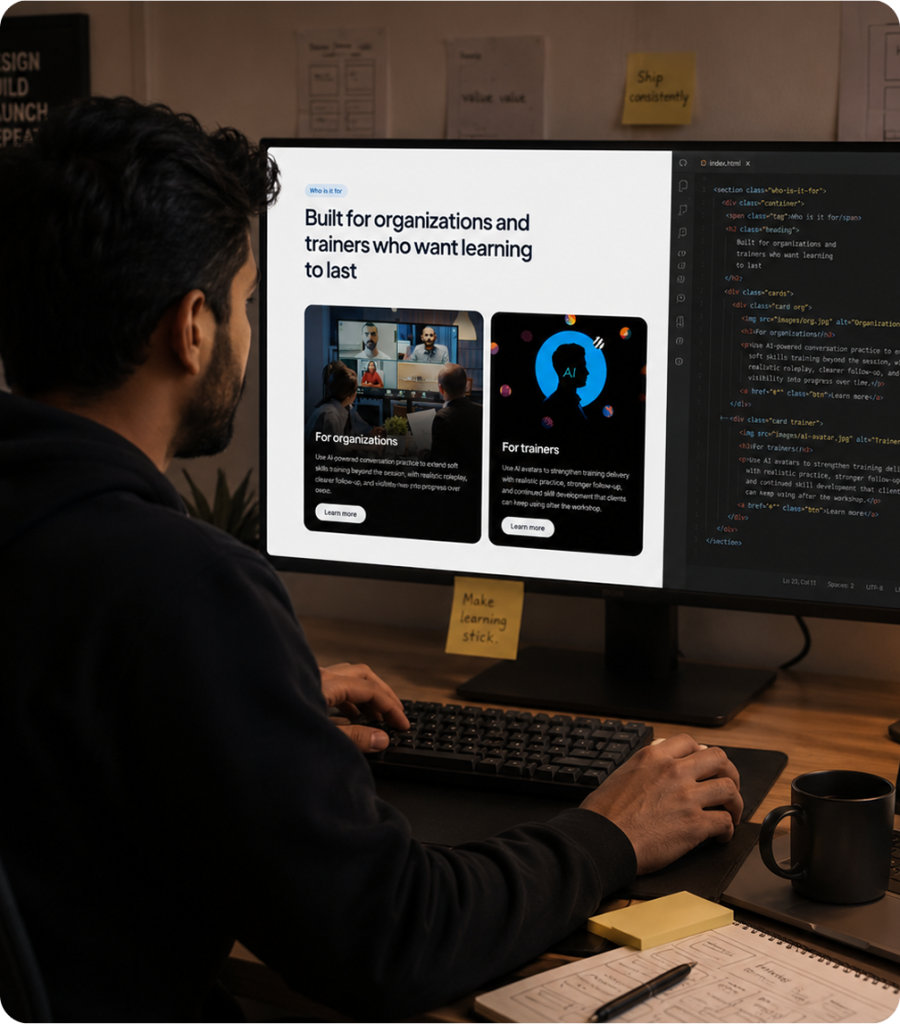
Different access levels keep contributors working within their role, so someone publishing blog posts can't accidentally change a homepage or pricing page.
An optional review step checks content before it goes live — useful for teams with more than one person contributing content.
Alignment with relevant privacy and accessibility standards for the applicable industry and region keeps the platform clear of compliance issues down the line.
Support continues after launch — covering security, updates, backups, and questions that come up — along with planning for what's next, whether a small fix or a bigger evolution of the platform.
Platform recommendations are drawn from the CMS Selection Matrix — matched to team size, content volume, budget, and future plans, rather than defaulted to a single preferred platform
Best suited to most small and medium businesses, blogs, and service websites. Easy for most teams to use day to day, scales well, and is typically quicker to build and lower in cost than enterprise alternatives.
Built for larger organizations with complex structures or strict security needs. Takes more time to learn and set up properly, but scales well for large, complex sites.
Purpose-built for online stores with powerful eCommerce features, secure hosting, and easy product management. Ideal for businesses looking to launch and scale their online sales.Ideal for modern, custom-designed websites with complete design flexibility, a powerful CMS, and clean, responsive development. Perfect for corporate, marketing, and content-driven websites.
Fits businesses that need the same content across a website, app, or other channel from a single source. Content is stored separately from how it's displayed, offering flexibility at the cost of a longer, more custom build.
ast load times, optimized images, a clean technical setup, responsive design, and correctly configured titles and metadata are built into the platform from the start, keeping the site quick and easy to find as it grows.
AI-assisted drafting, content structured for AI-driven search tools, and simple automation for personalization and publishing tasks — added where they genuinely save time or improve results, not by default.

Every website we build is optimized for speed, responsiveness, and Google’s Core Web Vitals, ensuring an excellent user experience across desktop and mobile devices. We implement mobile-first best practices, structured data (Schema markup), and SEO-ready architecture to help search engines and AI-powered answer engines understand and surface your content more effectively. Integrated analytics, conversion tracking, Google Tag Manager, GA4, and CRM integrations provide actionable insights from day one, enabling you to measure, optimize, and grow your digital presence with confidence.
Share your requirements and goals to get a tailored plan covering strategy, platform, and implementation. Every recommendation is scoped to what the business genuinely needs, explained plainly — with support continuing well after the website goes live.
It depends on the size and complexity of the site, but most projects run from a few weeks to a couple of months, from the first conversation through launch. A realistic timeline is set early, based on actual requirements.
No. The website is built so content teams can add and edit content without any coding knowledge, with a walkthrough of how everything works once it's ready.
Not if it's done properly. Old pages are carefully redirected to protect existing rankings during the move, with close monitoring after launch to catch anything unexpected early.
It's a way of managing content so it can appear in more than one place — like a website and a mobile app — from a single source. Most businesses don't need this; a regular CMS is usually enough unless there are specific plans beyond a single website.
Support continues after launch — keeping the website secure, updated, backed up, and running smoothly, and helping with changes or questions as they come up.
In most cases, yes. Current content and workflows can be reviewed to identify simple, genuinely useful ways AI can help, without overcomplicating things.
Pages are built to meet Google's Core Web Vitals — Largest Contentful Paint, Interaction to Next Paint, and Cumulative Layout Shift — alongside Mobile-First Indexing compliance, since most ranking today is based on the mobile version of a site. Structured data (Schema markup) is built natively into the CMS, giving both search engines and AI assistants a clear way to understand and surface the content.
Yes. Tracking infrastructure — Google Tag Manager, GA4, conversion event tracking, and CRM integrations where relevant — is set up as part of the build, so marketing performance can be measured from day one.
Get In Touch