
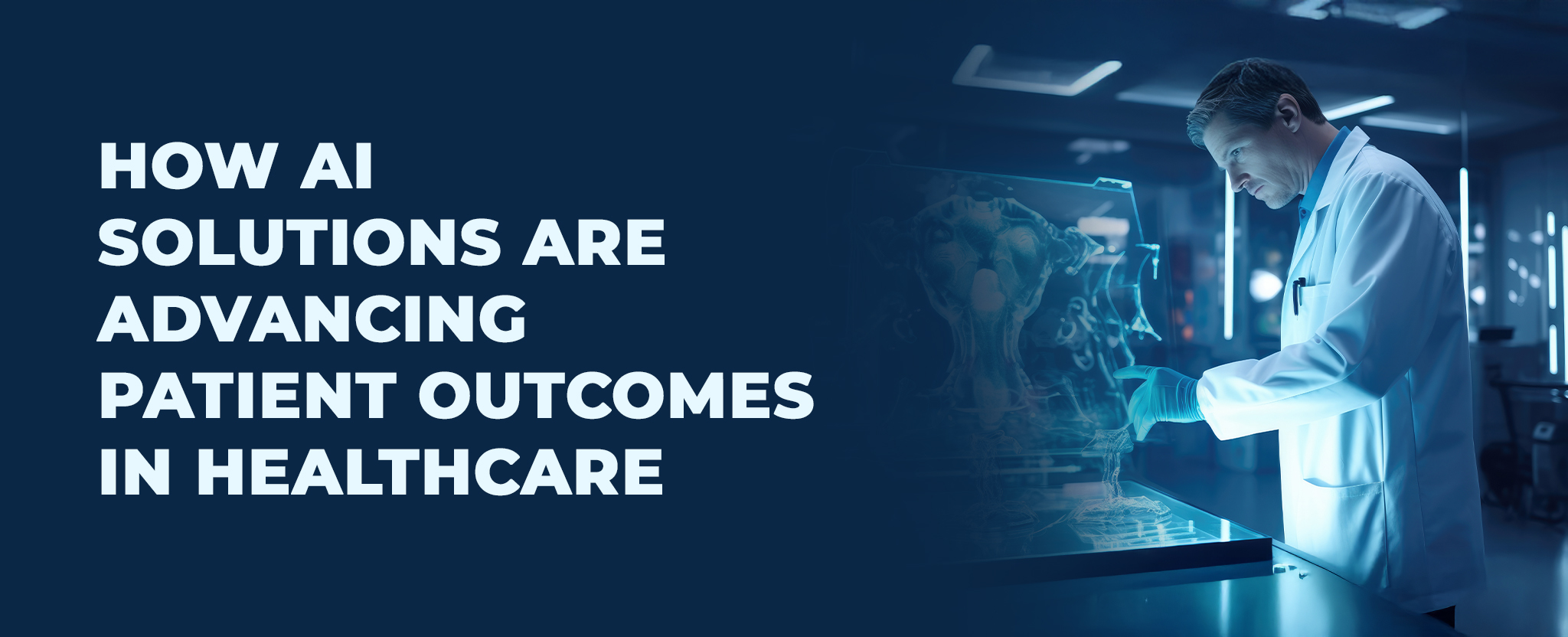
Imagine that you are walking into a hospital and instead of waiting hours for a diagnosis, you are immediately directed to the right specialist, equipped with AI-generated insights based on your symptoms and medical history. This isn’t a vision of the distant future—it’s happening today. Artificial Intelligence (AI) is transforming the healthcare landscape, delivering more accurate diagnoses, personalized treatments, and ultimately, improved patient outcomes.
The AI Revolution in Healthcare
The global AI in healthcare market was valued at approximately $11 billion in 2021 and is projected to reach $188 billion by 2030, growing at a compound annual growth rate (CAGR) of 37%. This explosive growth underscores the increasing reliance on AI technologies to address critical challenges in healthcare, such as improving diagnostic accuracy, reducing treatment costs, and enhancing patient care delivery.
AI in Diagnostics: Precision and Speed
One of the most significant advancements AI has brought to healthcare is in diagnostics. Traditional diagnostic processes can be time-consuming and error-prone. AI-powered tools are changing the game by analyzing vast datasets with unparalleled precision.
- Medical Imaging: AI algorithms can now analyze X-rays, CT scans, and MRIs faster and with more accuracy than human radiologists. For example, Google Health’s AI model has demonstrated higher accuracy in detecting breast cancer in mammograms compared to human experts.
- Predictive Analytics: AI systems can predict patient outcomes based on their medical history, helping doctors intervene early. For instance, IBM Watson Health uses AI to identify patients at risk of chronic conditions like diabetes or heart disease.
Personalizing Patient Care
AI’s ability to process and interpret data enables a high degree of personalization in patient care, ensuring that treatments are made to individual needs.
- Customized Care Plans: AI-driven platforms analyze genetic data to recommend personalized treatments. A case in point is Tempus, which uses AI to identify the most effective cancer therapies based on a patient’s genetic profile.
- Virtual Health Assistants: AI chatbots and virtual assistants, like Ada Health and Babylon Health, provide patients with 24/7 support, answering health queries and reminding them to take medications. This level of engagement can lead to better adherence to treatment plans.
Enhancing Operational Efficiency
AI doesn’t just improve patient outcomes directly; it also enhances the operational aspects of healthcare facilities, leading to better overall care.
- Optimizing Scheduling: AI tools like Qventus predict patient flow and optimize scheduling, reducing wait times and ensuring resources are allocated effectively.
- Reducing Administrative Burden: Natural Language Processing (NLP) systems streamline administrative tasks, such as transcribing doctor-patient conversations and updating electronic health records (EHRs). This allows healthcare professionals to spend more time with patients.
Case Studies: Real-World Impact
Let’s check some case studies, how AI is changing the healthcare tremendously
AI in Cardiology
The Mayo Clinic implemented an AI algorithm to analyze ECG results, detecting heart conditions that might otherwise go unnoticed. In one study, the algorithm identified patients at risk of atrial fibrillation with 83% accuracy.
AI in Oncology
Memorial Sloan Kettering Cancer Center partnered with IBM Watson to develop AI tools that assist oncologists in treatment planning. These tools analyze medical literature and patient records to suggest evidence-based therapies.
AI in Emergency Medicine
At Johns Hopkins Hospital, AI systems are used in emergency rooms to predict sepsis in patients. By analyzing vital signs and lab results in real time, these systems have helped reduce sepsis-related mortality by up to 20%.
AI in Mental Health
The UK’s National Health Service (NHS) has tried AI applications like Wysa and Woebot to provide cognitive behavioral therapy (CBT) for individuals struggling with mental health conditions. These platforms have shown promising results in alleviating symptoms of anxiety and depression.
AI in Pediatric Care
Boston Children’s Hospital uses AI to analyze data from wearable devices and EHRs to predict and prevent asthma attacks in children. This proactive approach has improved asthma management and reduced hospital admissions by 30%.
Challenges and Ethical Considerations
While AI’s potential in healthcare is immense, challenges remain:
- Data Privacy: Ensuring the security and confidentiality of patient data is paramount. Breaches could undermine trust and lead to severe consequences.
- Bias in Algorithms: If training datasets are not diverse, AI models may exhibit biases, leading to unequal treatment outcomes.
- Integration with Existing Systems: Many healthcare facilities struggle to integrate AI solutions with their current infrastructure, delaying implementation.
Future Prospects
The future of AI in healthcare looks promising, with advancements such as:
- AI-Powered Drug Discovery: Companies like Insilico Medicine are using AI to accelerate drug discovery, potentially reducing development timelines from years to months.
- Remote Monitoring: Wearable devices integrated with AI will enable continuous health monitoring, providing real-time insights and reducing hospital readmissions.
- Enhanced Mental Health Support: AI applications like Woebot and Wysa are already providing mental health support, and future iterations are likely to offer even more sophisticated assistance.
Also read How to develop a Doctor Appointment Booking App?
Statistical Insights
Below is a table highlighting key statistics:
| Area | Impact of AI | Example |
|---|---|---|
| Diagnostic Accuracy | 15-20% improvement in early cancer detection | Google Health |
| Personalized Medicine | 90% of healthcare organizations using AI for personalization | Tempus |
| Operational Efficiency | 30% reduction in patient wait times | Qventus |
| Drug Discovery Time | 70% faster drug development | Insilico Medicine |
Conclusion
AI solutions are reshaping healthcare, driving precision, personalization, and efficiency. While challenges remain, the potential benefits far outweigh the risks. As we look to the future, embracing AI responsibly will be key to unlocking its full potential, ensuring that it continues to advance patient outcomes and revolutionize the way we experience healthcare. The next time you visit a hospital, don’t be surprised if AI plays a crucial role in your care journey—it’s already here, changing lives for the better.
If you are aiming to shape your healthcare business with AI Magic, let’s connect

Akhila drives the content strategy at Mindster, combining analytical clarity with a passion for digital product innovation. With a deep focus on mobile app strategy and software solutions, she bridges the gap between engineering complexity and intuitive user experiences. She thoughtfully articulates tech concepts, transforming frameworks, case studies, and digital transformation trends into actionable insights for product teams and business leaders.