Cut AI Costs by 90%: Why Smart Companies are Downsizing to Small Language Models (SLMs)

iD Fresh Food transformed its high-velocity distribution model to solve a critical 3–4 day shelf life challenge. By rolling out a purpose-built SFA powered by Machine Learning (ML) based predictive analytics, iD achieved significantly higher demand accuracy. This digital shift reduced return rates and synchronized field sales with the SAP ERP system in real-time, ensuring peak product freshness at every storefront.
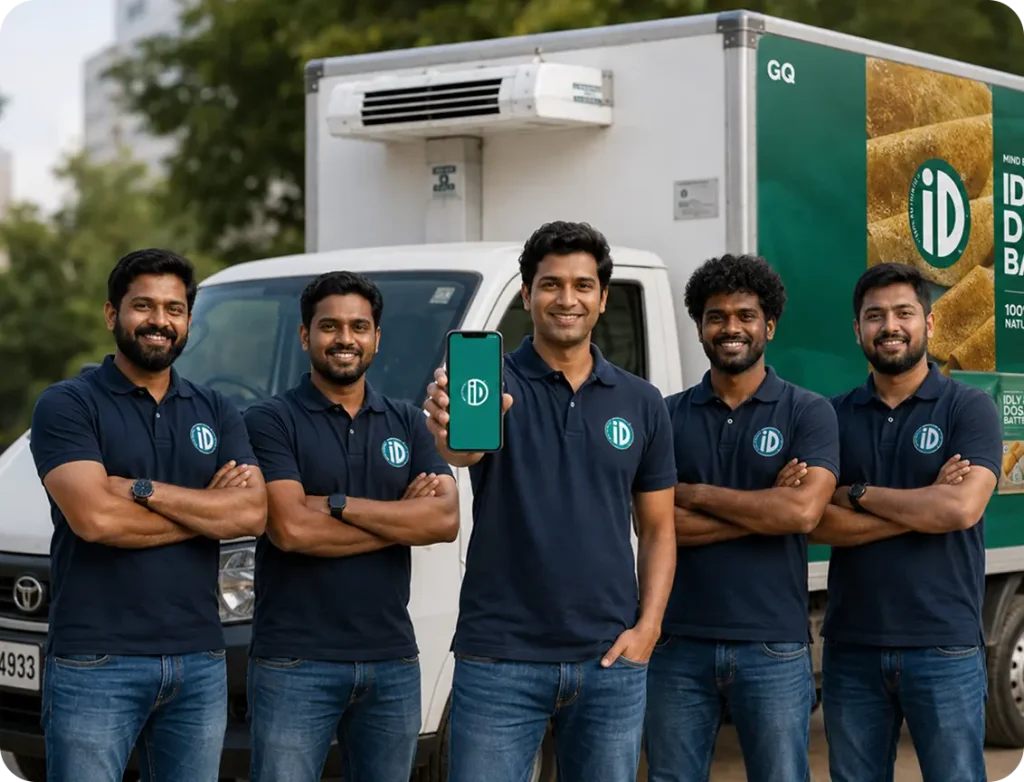
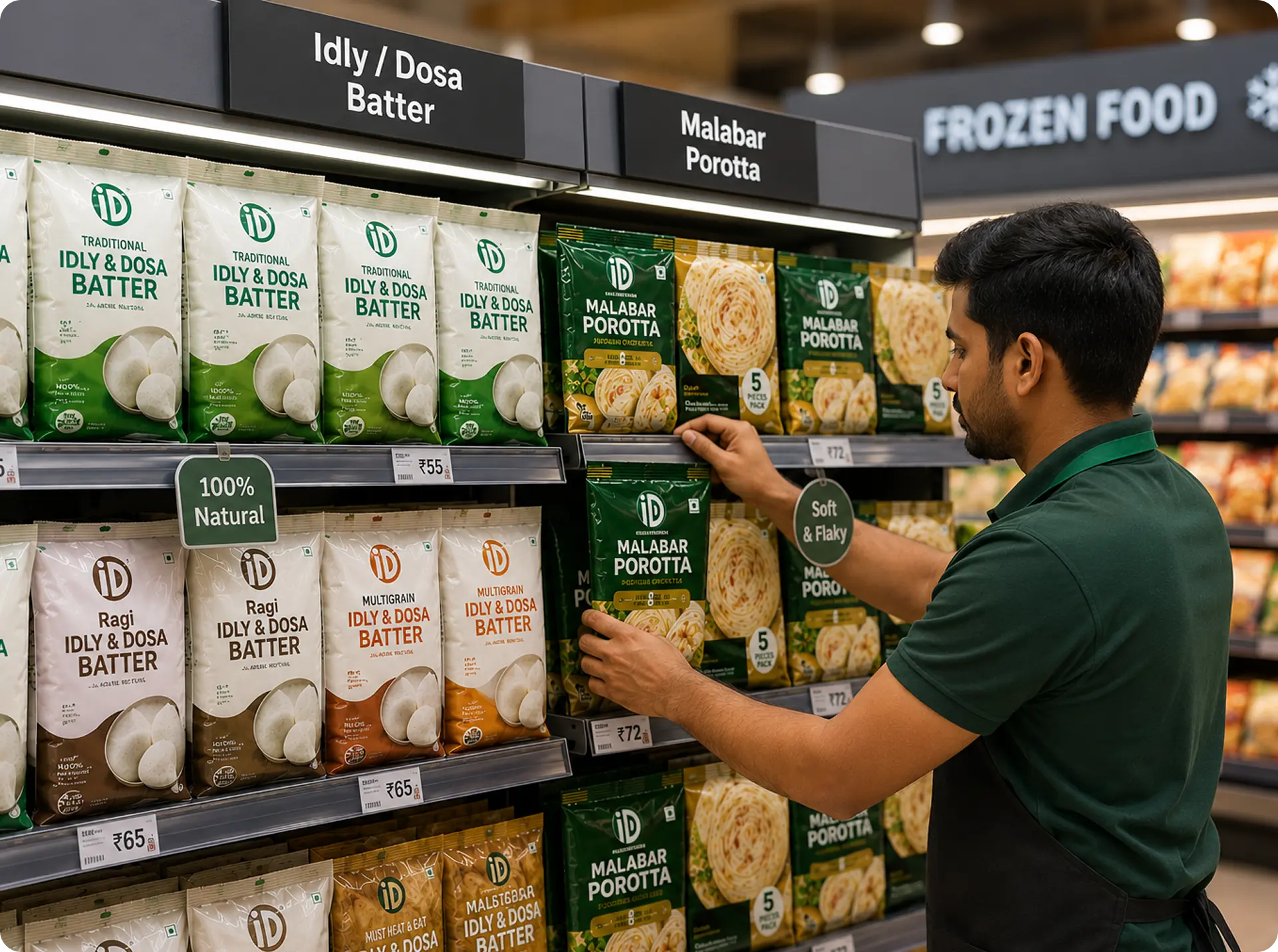
iD Fresh Food is a market leader in the ready-to-cook category, famous for preservative-free products like Malabar Porotta and Idly/Dosa batter. Unlike traditional FMCG goods, iD’s products are highly perishable. Operating on a 3–4 day shelf life, iD Foods requires a supply chain that prioritizes speed and precision over high-volume stocking.
CLIENT OBJECTIVES
To scale without compromising quality, iD Fresh identified four key objectives for their Sales Force Automation(SFA) Initiative:
In a high-volume perishable business, reducing returns is the fastest path to increased net profitability.
iD refuses to overstock shelves. The goal was to deliver exactly what the market needs, protecting the consumer’s experience of freshness.
The system needed to intelligently detect “Stock-Out” risks to capture missed revenue opportunities.
Automating the “one-day-early” removal of products to provide safe, fresh meals for the underprivileged.
Instead of generic SFA solutions in the market, ID Fresh Food wanted to develop a scalable and custom-built SFA tailored for their business model and meeting their “freshness” goals with deep integration with their ERP backbone, levering advanced ML based predictive model.
The Core Workflow & AI Integration
The system acts as the “real-time brain” for the driver-cum-salesman
The system acts as the "real-time brain" for the driver-cum-salesman. Using Historical Sales and Seasonality data, the SFA generates "Recommended Orders." This prevents "shelf-stuffing" while ensuring the van is loaded with the optimal quantity to meet demand within the 72-hour freshness window.
A critical technical component is the Evening Aggregation phase. The app aggregates total field demand and pushes it directly to SAP for Gap Analysis. This bridges the gap between real-world field sales and back-end production planning.
When the SAP analysis identifies a production shortage, the Smart Allocation Module automatically adjusts salesman loads across the fleet. This ensures fair, optimized distribution and a Closed-Loop Data Match before the vans depart for the next day's beat.
The mobile interface was built for the "Life-Easier" philosophy. It includes high-speed scanning for inventory, GPS-verified check-ins, and integrated thermal printing for instant Mini-Invoices, streamlining the entire storefront settlement process.
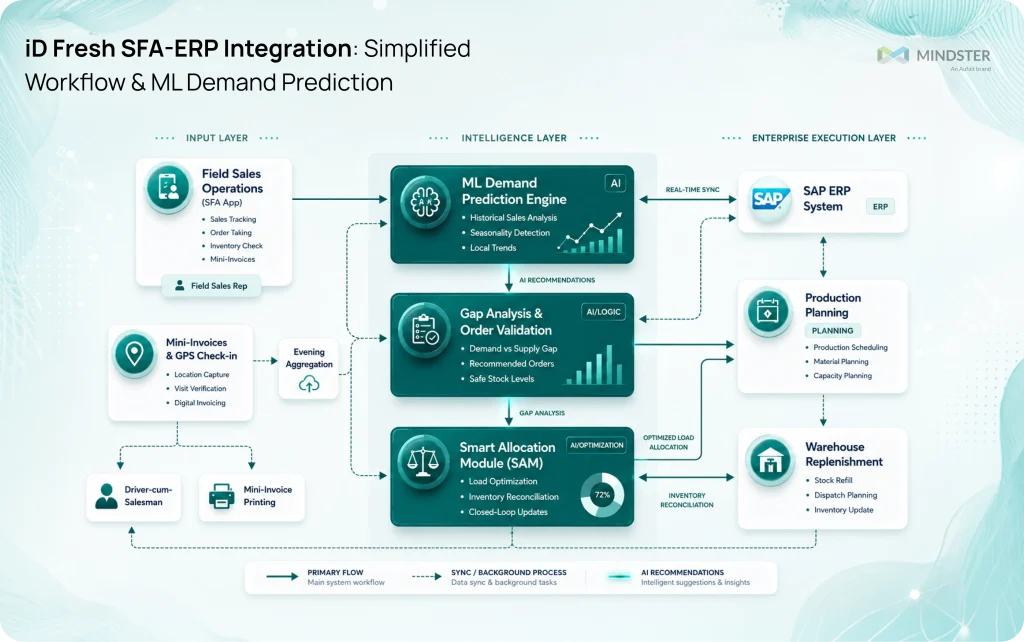
Figure 1: The iD Fresh 'Closed-Loop' Distribution Model. The system uses ML to predict store-level demand before synchronizing field data with SAP for real-time production planning.
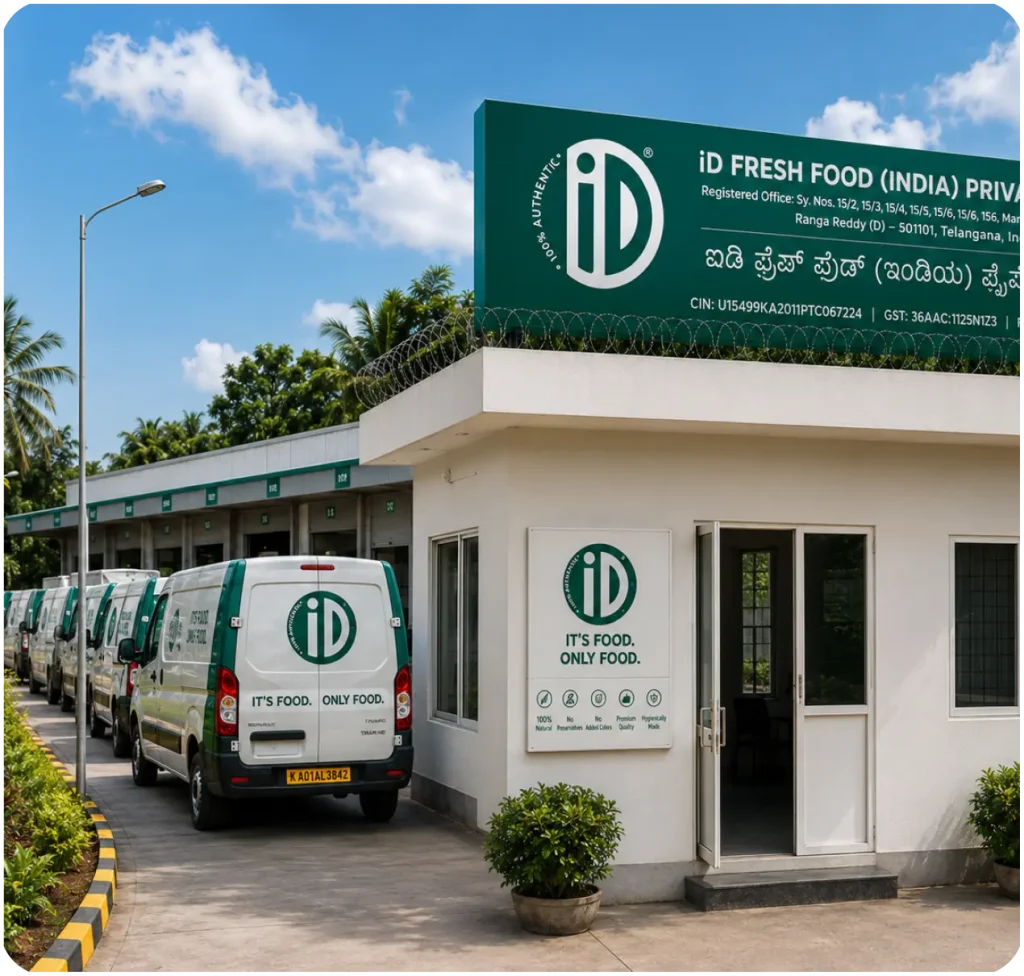
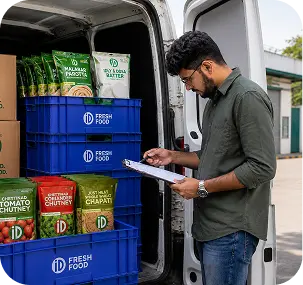
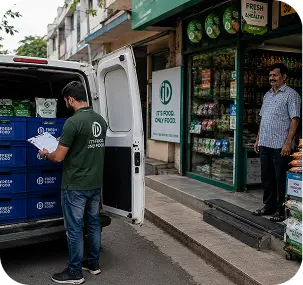
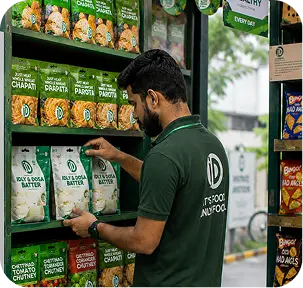
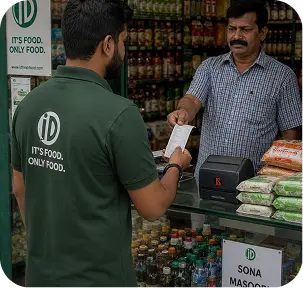
Figure 2: A connected field distribution ecosystem enabling route-based delivery execution, retail stock verification, outlet servicing, and real-time sales coordination across distribution operations.
Every high-velocity perishable business faces unique hurdles, from predicting 72-hour demand cycles to managing real-time ERP reconciliations. Let’s apply our expertise in custom SFA architecture and ML-driven precision to build your next distribution breakthrough.
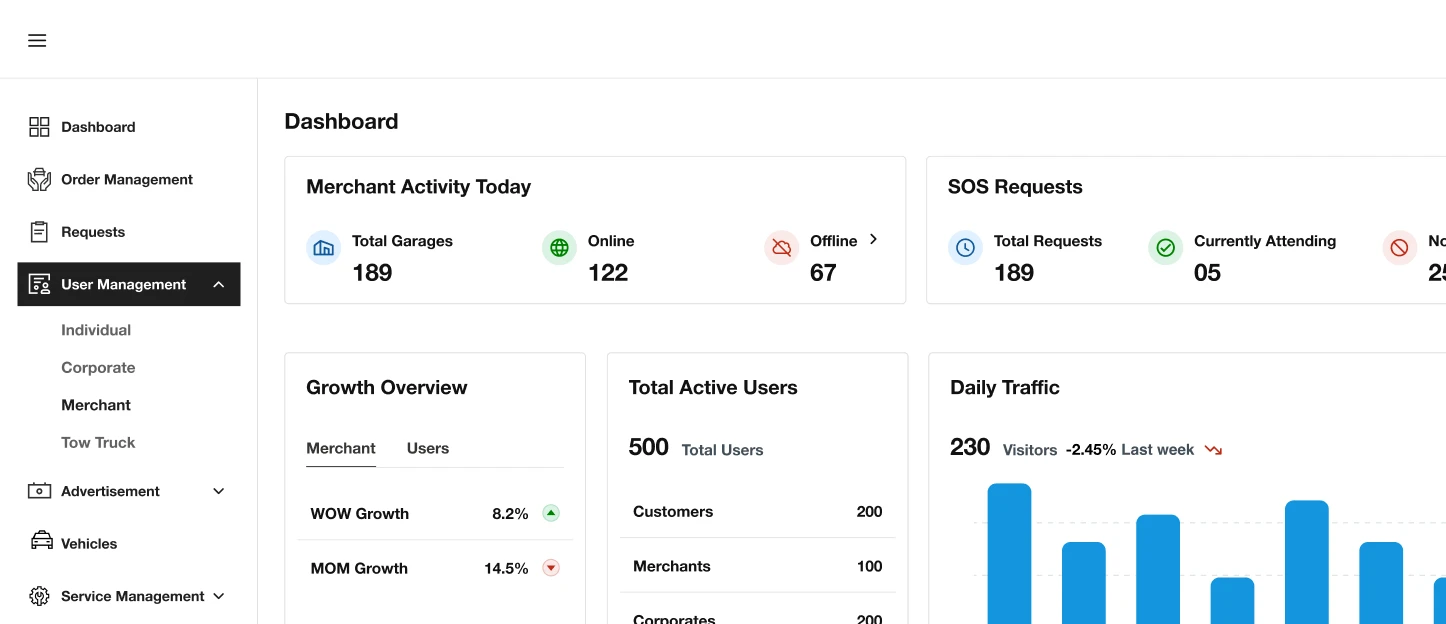
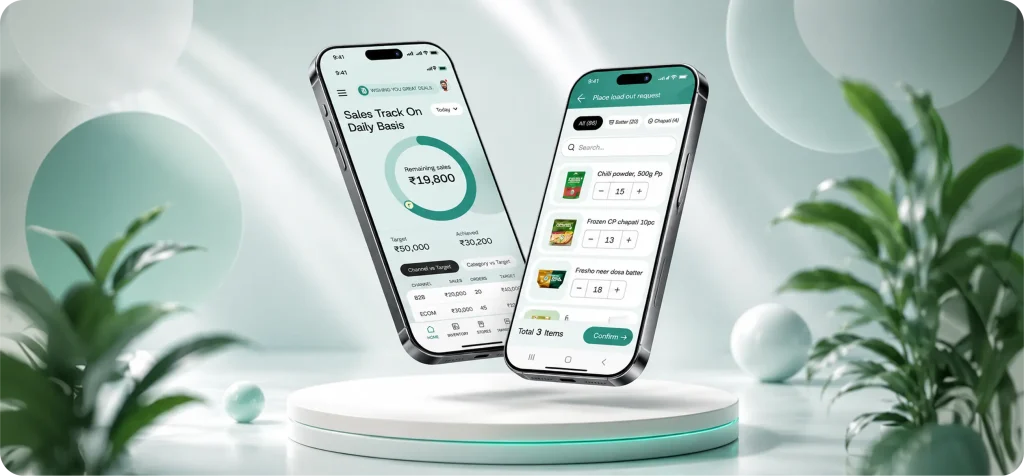
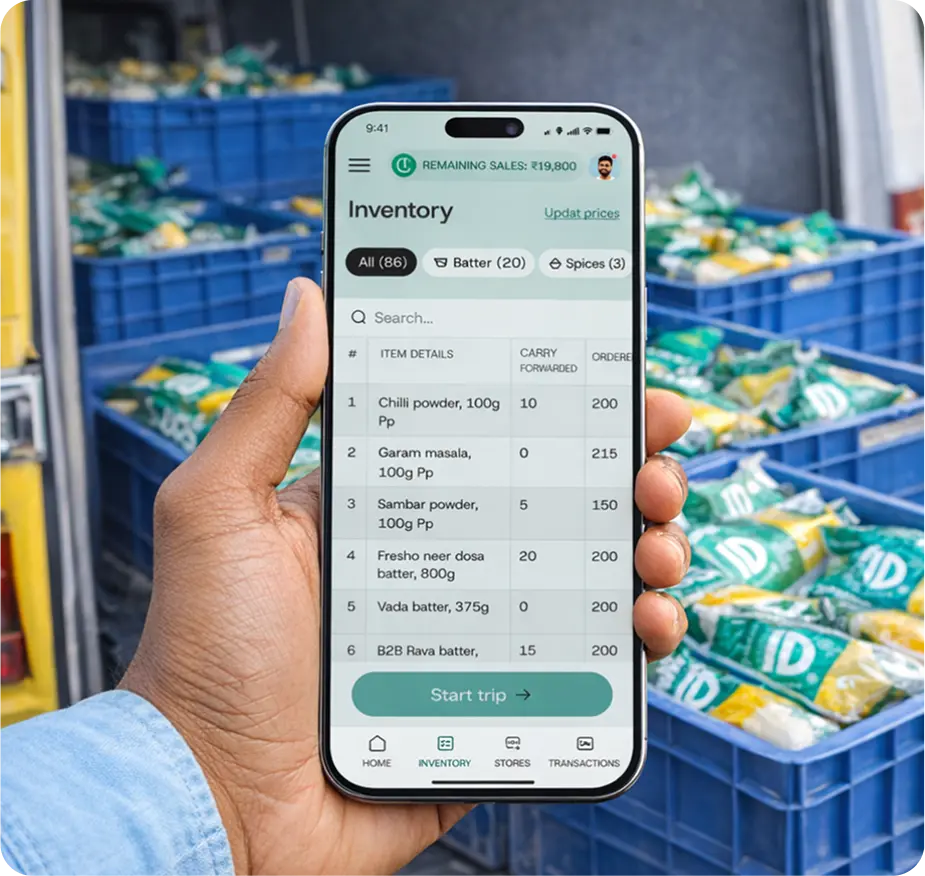
Figure 3: Unified mobile sales and ordering platform enabling field teams to track daily sales performance, manage outlet orders, and streamline retail distribution workflows in real time.
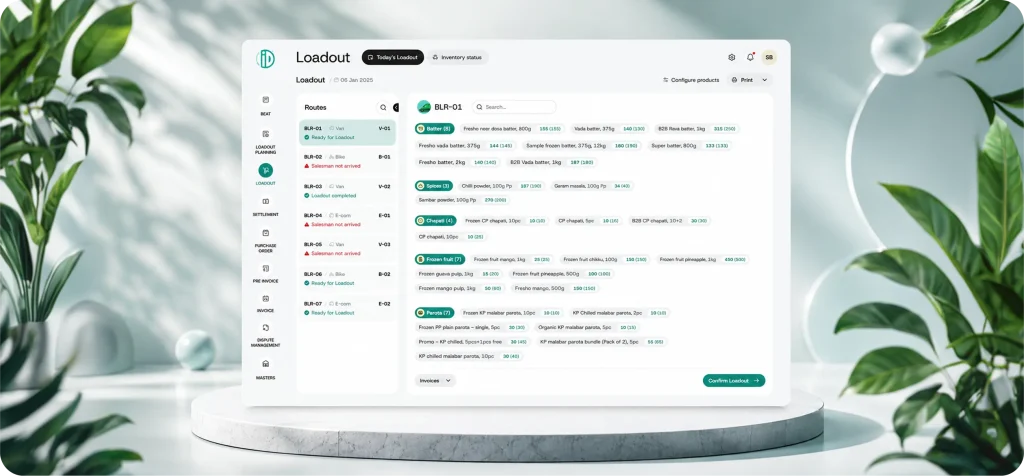
Figure 4: Intelligent loadout management interface enabling route-wise inventory allocation, dispatch coordination, and real-time operational monitoring across distribution workflows.
The true value of the system isn’t in its technical merits; it’s in how it fixed the daily headaches that were costing the iD Fresh Foods money.
In a 3-day shelf-life business, every unsold item is a direct hit to your profit. Before this, salesmen often had to "guess" store demands, which led to overstocking. By using historical data to suggest orders, we replaced guesswork with precision. We stopped "stuffing the shelves" and started delivering exactly what will sell, which immediately lowered the return rate.
The biggest daily friction in van sales is when the "money in the bag" doesn't match the stock sold. By syncing the SFA with SAP in real-time, we moved to Instant Settlements. Salesmen finish their shifts faster because the math is already done, and the finance team no longer spends hours chasing missing data or manual errors.
Every percentage point shaved off the return rate goes directly to the margin. Because field data flows directly into the warehouse, the production team knows exactly how much to cook for the next day. This "closed-loop" means we aren't over-producing, we are making exactly what the market asked for today, protecting our bottom line from unnecessary waste.
We wanted the meal donation program to be a standard part of the day, not an extra chore. The system now flags products 24 hours before they expire, telling the salesman exactly what to pull from the shelf. This ensures fresh meals reach the underprivileged without adding additional workload to the salesman.
Instead of the salesman guessing how much a store needs, the ML-engine analyses the historical sales data, local holidays, and even seasonal trends to suggest a "Recommended Order." This stops "shelf-stuffing" and ensures the van carries exactly what will sell, directly reducing the return rate.
This is where the Smart Allocation Module (SAM) kicks in. If there’s a shortage at the warehouse, the system automatically adjusts the stock across the entire fleet of vans. This ensures a fair distribution based on store priority, so no high-performing route is left empty-handed.
Yes. The tool is built for the "real world." Salesmen can perform inventory checks, take orders, and print mini-invoices offline. The data then auto-syncs with the SAP ERP as soon as they are back online, ensuring no sales data is ever lost.
It improves the bottom line in two ways: lower waste and higher accuracy. By reducing returns (unsold food), we stop losing money on wasted production. By automating the settlement process, we eliminate the manual errors and "missing cash" headaches that used to eat into the daily margins.
It eliminates "Data Lag." In the old days, finance had to wait for paperwork to be manually entered. Now, as soon as a salesman completes a "Check-Out," the data is live in SAP. This allows for Instant Settlements and gives leadership a real-time visibility of cash and stock at any moment.
The system tracks the age of every batch on the shelf. When a product is 24 hours away from its 3-day limit, the app flags it for the salesman to pull. This ensures the food is diverted to our donation partners while it is still perfectly fresh and safe, without the salesman needing to check every single date manually.
Absolutely. The SFA flags "Stock-Out" risks. If a store is selling out faster than expected, the system alerts the salesman to increase the "Recommended Order" for the next visit, capturing revenue that would have otherwise been lost.
Not at all—it empowers it. The SFA provides a "Data-Driven" baseline, but the salesman can still adjust orders based on their personal relationship with the store owner. The tool simply removes the heavy lifting of manual calculation, letting them focus on being a better partner to the retailer.
Get In Touch