

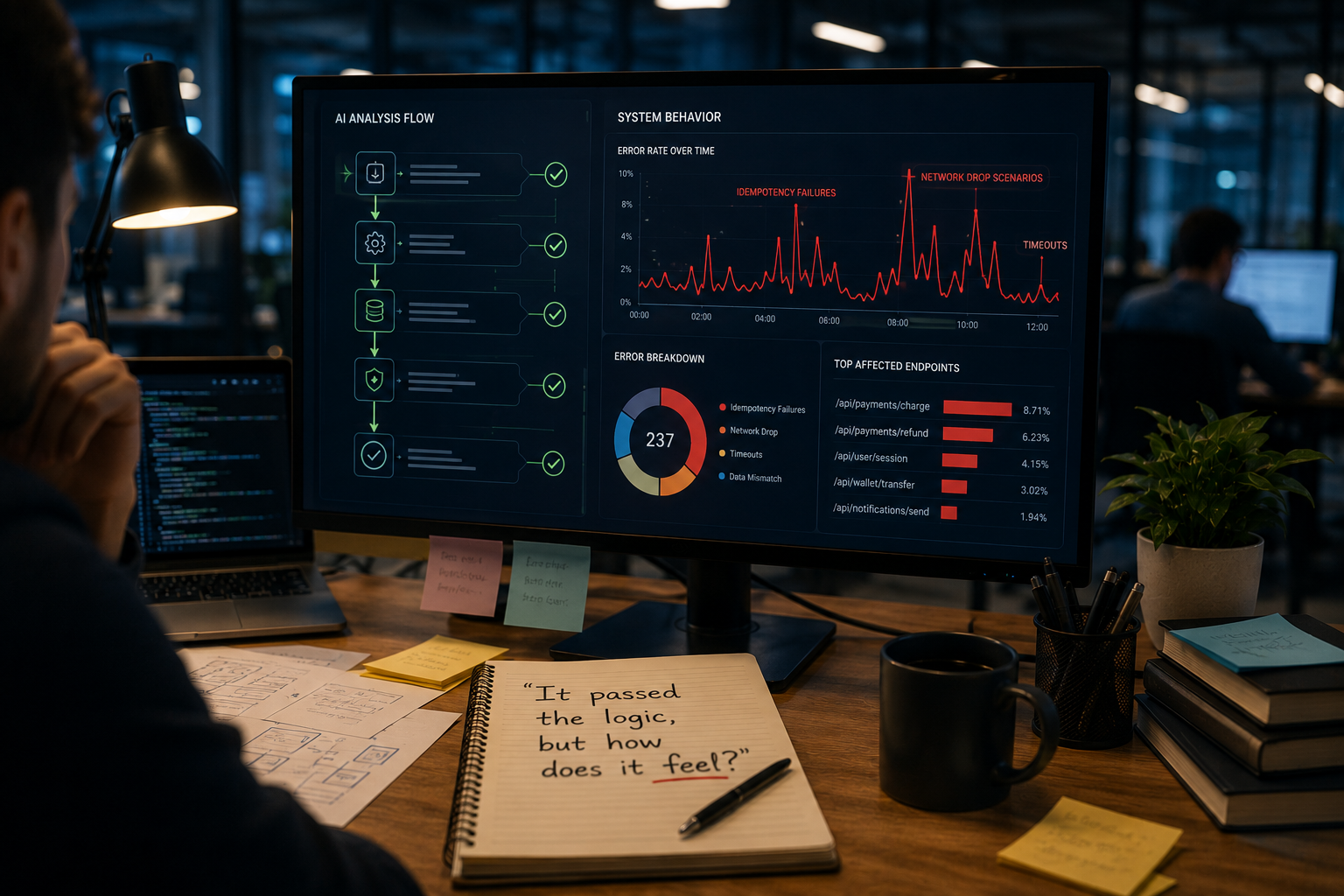
Every day, millions of people tap, swipe, transfer money, book rides, track steps, or order food on their phones. When everything works instantly, nobody blinks. It feels effortless. But in my years leading test engineering teams, I have learned one fundamental truth: seamless software is almost never the result of pristine code written in a controlled development environment. It is the result of testing that code against the chaotic, unpredictable reality of real-world usage.
In code, logic is clean. “In the wild,” business and human behavior are delightfully and frustratingly—messy.
What Happens When Software Leaves the Lab
As engineers, we naturally design and build for the “happy path”—the clean, linear flow where users do exactly what the user stories intended. But real customers don’t live in a test lab.
They tap a payment button three times when their signal stutters. They switch apps mid-checkout to copy an SMS verification code. They step into an elevator right as a transaction submits, or enter completely unexpected inputs into fields designed for simple numbers.
That’s where Quality Assurance comes in. Our primary job isn’t just to catch broken code or log Jira tickets; it’s to bridge the gap between how an application is supposed to work on paper and how it actually behaves in the hands of a distracted, impatient, or offline user.
When my team and I test for “in the wild” reality, we focus on where operational friction meets human unpredictability:
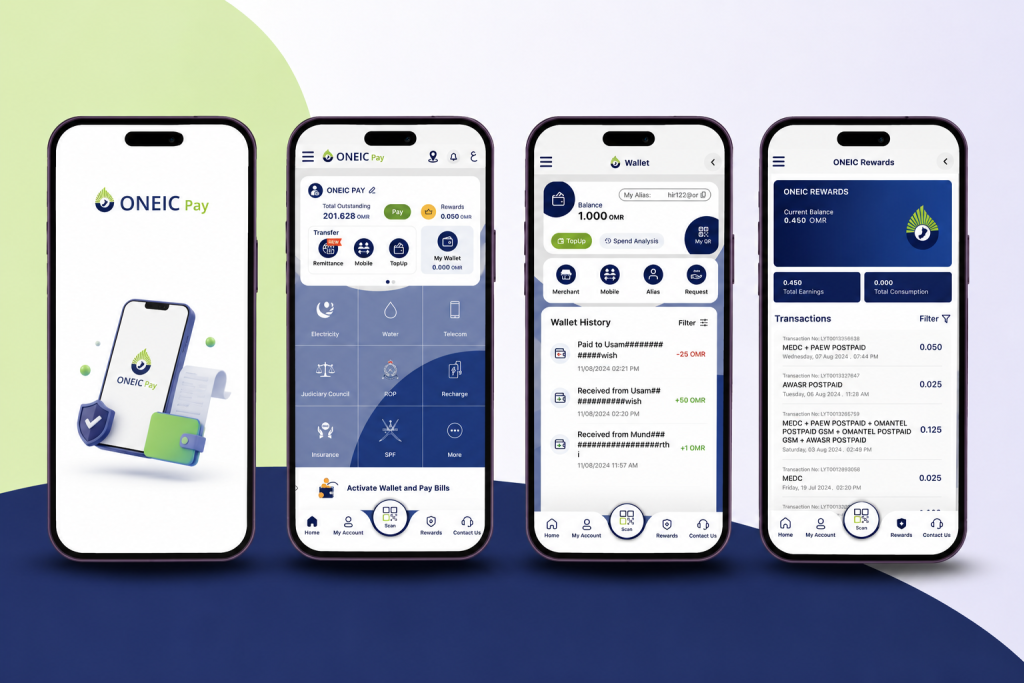
- Handling Impatient Taps: In payment platforms like ONEIC Pay, a user dealing with slow cell service will instinctively mash the “Pay Now” button repeatedly. Left unhandled, that causes duplicate payment debits, multiple wallet deductions, or corrupted loyalty points. We validate idempotency and UI-locking so every transaction processes exactly once—no matter how many times that button gets tapped.
- Preserving Interrupted Journeys: People get interrupted constantly. A user buying groceries online might switch apps to answer a phone call or reply to a text. We ensure that when they return, their cart, address, and checkout progress are right where they left them. Starting over is an instant drop-off risk.
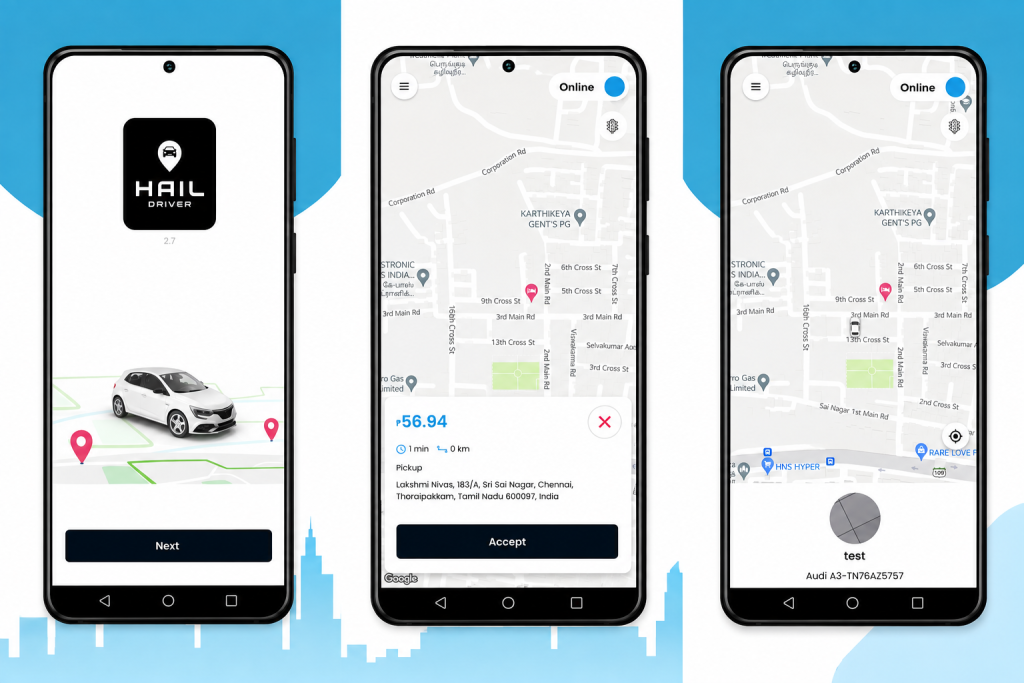
- Surviving Network Volatility: In mobility apps like Hail, a sudden signal drop during ride confirmation can leave a customer completely stranded or trigger duplicate driver assignments. In logistics systems like Shahn, spotty edge connectivity disrupts live driver tracking. We simulate these exact network drops to ensure apps degrade gracefully, display clear feedback, and auto-synchronize the moment signal restores.
- Adapting to Real Hardware & Sensors: On health apps like FitTreat, tracking daily steps, active calories, and water intake depends heavily on physical phone sensors, background battery rules, and local time zones. A manufacturer’s custom OS optimization or low-power mode can completely alter background execution. We test across endless hardware setups so user progress reports stay dead accurate.
- Graceful Handling of Denied Permissions: When a user denies location access on Hail or camera access on ONEIC Pay, the app should never crash or leave the user at a dead end. We validate contextual fallbacks that clearly explain why the permission is needed and guide the user back into the workflow smoothly.
The AI Shift: Scaling Speed Without Sacrificing Strategy
With thousands of device configurations, OS variations, and unpredictable human quirks, manually validating every single permutation is no longer realistic for modern release cycles. Integrating AI into our QA workflow has fundamentally transformed our team’s operational velocity:
Generating Synthetic Edge Cases: AI tools analyze user journeys and historical defect logs to auto-generate hundreds of complex, real-world edge scenarios in seconds—from corrupted payload data to extreme network latency patterns.
Self-Healing Test Suites: Maintenance used to devour engineering hours. When a UI element or locator changed in the past, automated scripts broke. Today’s AI-driven test frameworks detect DOM changes on the fly and self-heal, keeping regression pipelines green and reliable.
Predictive Risk Modeling: AI models evaluate recent code commits against production defect history, flagging high-risk code modules before our testing cycle even begins. This lets us deploy engineering effort exactly where system failure is most probable.

Shinoj AV is a seasoned QA professional currently serving as the QA Lead at Mindster. With extensive hands-on expertise in software quality assurance and testing methodologies, he plays a pivotal role in leading testing teams and ensuring the delivery of robust, high-performance mobile and web applications. Passionate about software reliability and engineering excellence, Shinoj is dedicated to driving rigorous testing standards, optimizing quality workflows, and delivering seamless digital experiences for clients worldwide.

