
Have you ever thought of the number of mobile apps on your phone? Have you ever noticed? Each day brings a new feature regarding mobile app developments. The mobile app development industry is evolving continuously, with novel and innovative technologies emerging quickly.
Each time, an increased number of customers have been identified. As a result, customer expectations are changing continuously, and the need for mobile apps is changing.
The landscape of mobile apps will continue to be shaped by the emergence of novel innovations and shifting user behaviors, posing problems and promising possibilities for app developers and consumers.
To assist you with those above, we have provided the most significant mobile app development trends expected to rule the market in 2023.
What is Mobile App Development?
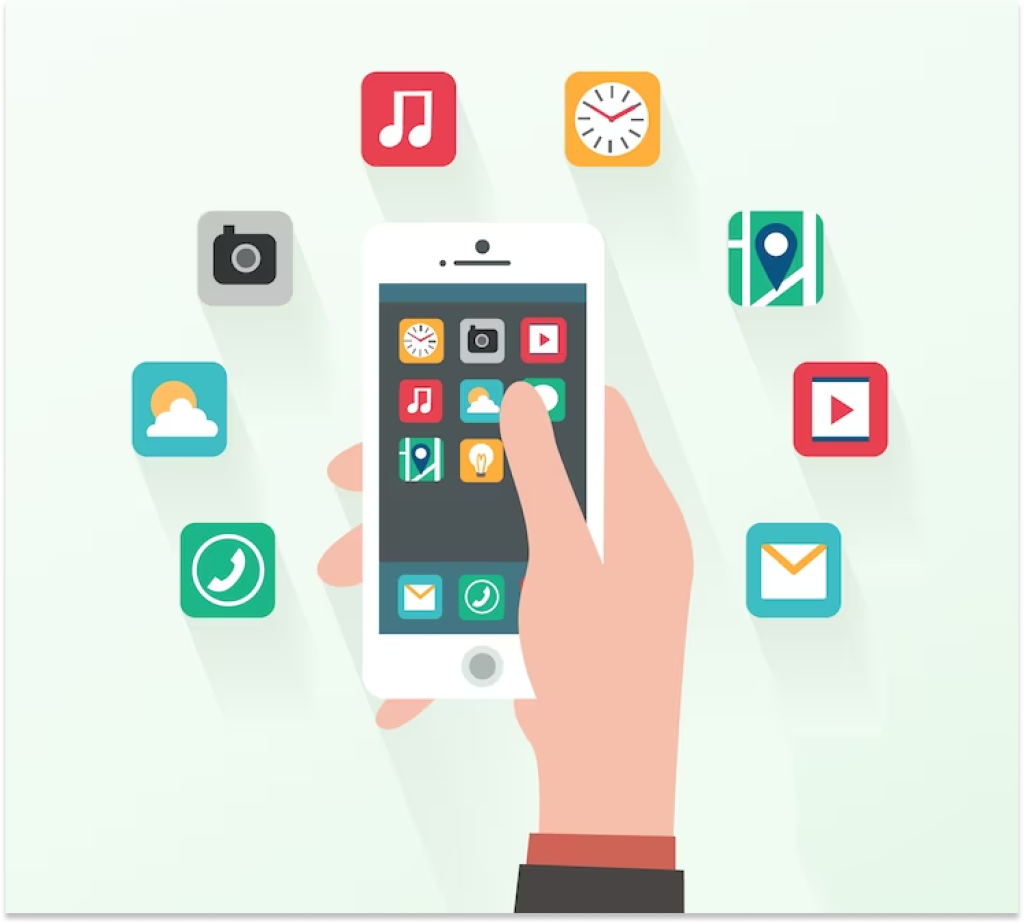
Mobile app development is used to create software for mobile phones, tablets, and other portable devices. Writing code to construct the program and designing the app are both parts of the entire process.
The process for creating applications is the same as that used to create other kinds of software, such as web apps.
But the potential for mobile apps to exploit native capabilities on a device is the main distinction between app development and conventional software development.
For instance, apps can make use of GPS, Bluetooth, a camera, a microphone, and other built-in functions that come with smartphones.
The worldwide market for mobile apps is dominated by Apple and Android products. However, since these two markets are the most popular, making apps for other platforms is feasible.
Growth of Mobile App Development Companies
The growth of mobile app development is considerably increasing each year, with novel innovations and technologies coming up. Each business and industry is adapting mobile applications in various ways.
Therefore, this significant rise in mobile app adoption results in elevated demand for the industry. Mobile app development companies are utilizing cutting-edge technologies to provide efficient mobile app solutions.
In turn, this has led to new developments in mobile app development that are beginning to alter the state of the industry. If you look at the most recent statistics, you will discover how fast and significantly the market for mobile app development is expected to increase in 2023.
- The worldwide mobile app market will reach 407.31 billion dollars by 2026.
- In 2023, mobile apps will bring in over $935 billion.
- By 2023, users will spend an additional 4 hours and 35 minutes using mobile apps, according to Statista.
Top Trends in Mobile App Development
Mobile applications are digital products that are flexible and accessible.
Breakthroughs and upgrades in mobile app technology are constantly being introduced.
As a result, it is essential to spot emerging trends as soon as they appear. The most significant mobile app development trends anticipated to change various industries are listed below.
So let’s review them.
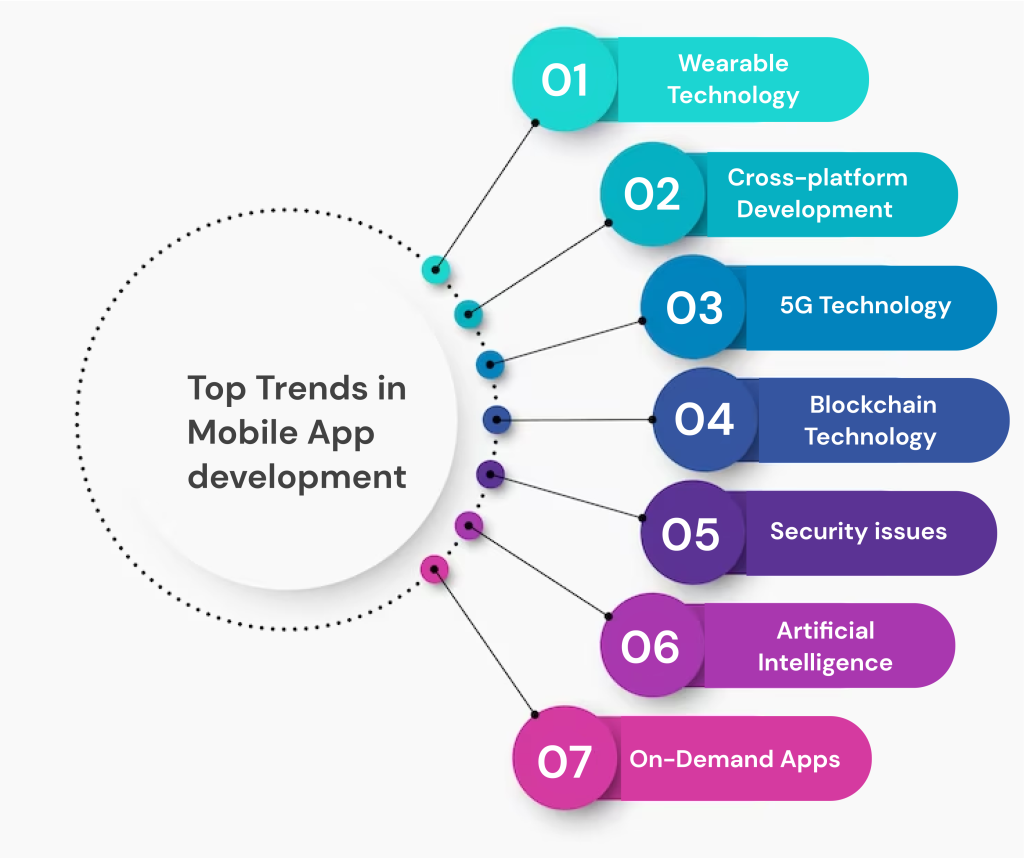
Wearable Technology
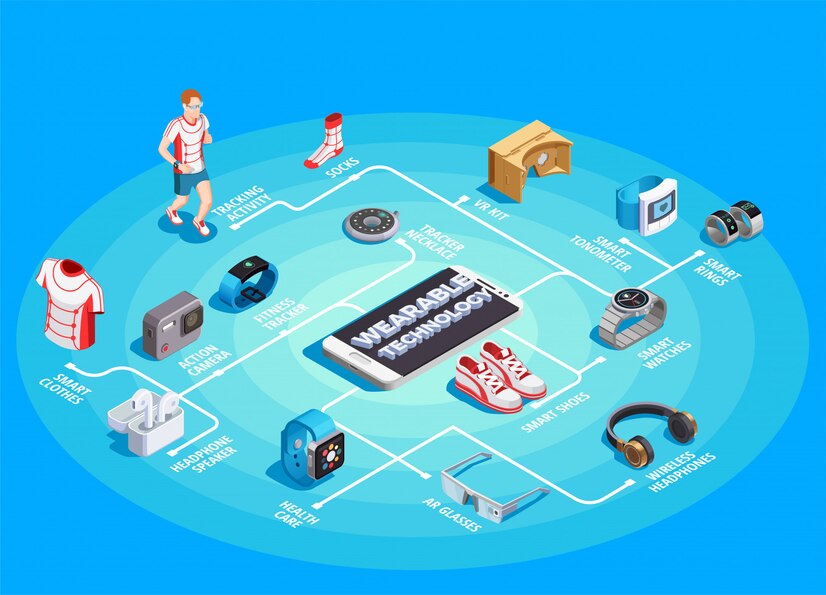
Businesses are focusing on apps that interact with wearable technologies to creatively convey information.
This will significantly impact a wide range of goods and services in sectors like athletics, fitness, clothing, interests, and medicine. In addition, future mobile app development strategies will be significantly impacted by the ability to connect wearable devices to smartphones, opening the way for future generations of applications that will motivate and greatly enhance the user experience.
Cross-Platform Development
Cross-platform development has become more and more crucial as the number of mobile devices rises.
This enables programmers to design programs that can function across several platforms using a single codebase, including iOS, Android, and the web. In addition to improving the user experience, it can help designers conserve time and money.

5G Technology for Mobile App Development
The newest mobile technology for communication, 5G, promises to increase productivity, connectivity, projected speed, and capacity of networks. It is already available in some regions of the globe and will shortly be available worldwide.
Designers can produce more responsive and fast apps owing to the improved features provided by 5G technology.
5G technology will make it possible for more apps to use augmented and virtual reality, IoT, artificial intelligence, and machine learning.
As stated, there is fierce competition in developing mobile applications. Therefore, developers should consider the 5G features and make apps that can keep up with the newest mobile app trends.
Blockchain Technology
The use of blockchain has a considerable impact on mobile app development. Although the name “blockchain” is most frequently related to cryptocurrencies, the underlying technology is applied in various novel ways.
A blockchain is essentially an encrypted online record for recording transactions. A transaction cannot be changed or withdrawn after it has been added to the blockchain. As a result, blockchain technology can be used to secure credentials and monitor digital assets.
Blockchain technology is being used more and more by mobile wallets and person-to-person (P2P) payment apps to increase transaction efficiency and safety.
In the upcoming years, we expect to see blockchain technology integrated with IoT and smart contracts across numerous industries due to its enhanced security features.

Security Issues
These days, internet security has become a hot topic. It is usual for cyber risks to expand along with trends that are developing quickly. Therefore, it is essential to pay close attention to privacy.
The majority of data breaches and malware reports come from the online world.
To protect the user experience, sophisticated functions like two-factor authorization, data and source code encryption, penetration testing, and the most recent digital encryption patterns are now in use and will continue to be enhanced.
Artificial Intelligence
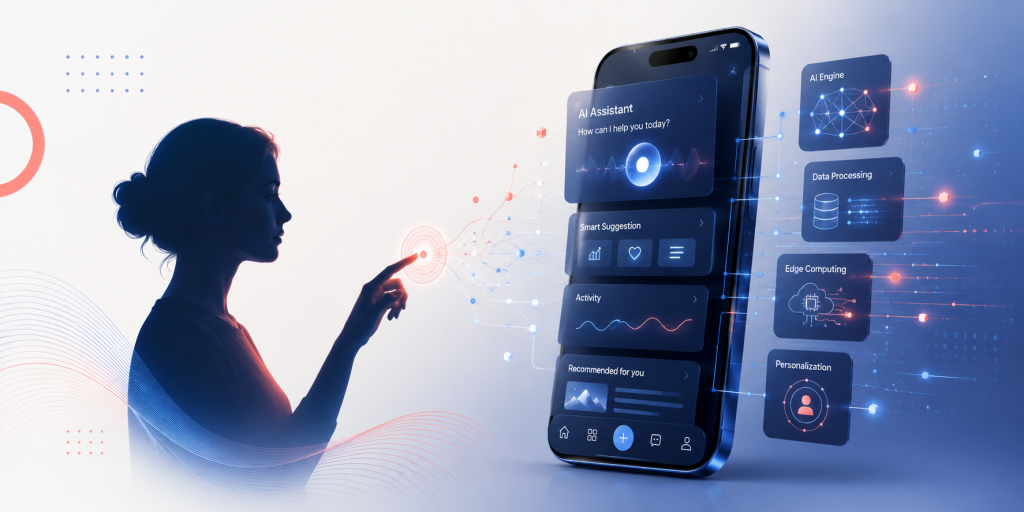
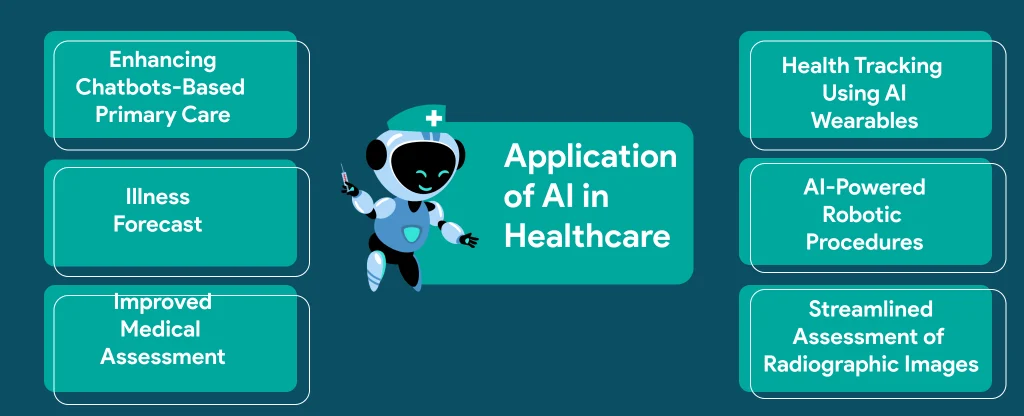
When it comes to smartphone apps, AI has so far primarily been used in virtual assistants, photo editors, and chatbots. However, using artificial intelligence in mobile applications will increase by 2023.
First off, it can streamline the creation of mobile apps themselves!
It can build a mobile app without guidelines if given information about a prior development process. In addition, AI integrations can assist in real-time problem-solving if the app encounters any issues.
Second, AI can mimic user behaviour by adhering to preset patterns.
For instance, Amazon curates your recommendations using machine intelligence. The software saves all the information about your purchases, and the next time you use it, it directs you to sites with suggestions.
On-Demand Apps
On-demand development apps were developed to fill a need in the mobile app development market.
Creating mobile applications used to require technical skills and coding proficiency, but modern on-demand creation approaches have significantly increased their accessibility.
Most likely, you won’t even need to construct it yourself. There’s a considerable likelihood that an on-demand programme will perform all the tasks you need.
The on-demand development method will probably become more popular as the demand for simplified app development increases. On-demand app prospects seem limitless. This is a tremendous chance for you to grow your customer base as a mobile app reseller
Wrapping up
It’s essential to follow the most recent trends to stay ahead in the ever-changing field of mobile app development.
Our mobile app creation services at Mindster include the most cutting-edge methods to guarantee your app remains current and in line with the newest advancements in mobile app development.
New models of technology hit the market every year due to ongoing technological development.
There are many brand-new prospects for app developers attributable to these industry changes in mobile technology.

Ankitha is a professional content writer with more than four years of experience. She writes blogs relevant to the services that we provide and also about the various mobile app solutions that we provide. With strong research skills and critical thinking skills, she can develop high-quality content that is valid and authentic. She also has good communication skills to interact with the team members to build up-to-date content related to the latest technologies.