Cut AI Costs by 90%: Why Smart Companies are Downsizing to Small Language Models (SLMs)

Engineered an event-driven bridge connecting legacy CRM systems with modern Flutter and WhatsApp channels, eliminating manual dispatch lag and providing a high-availability infrastructure for millions of citizen touchpoints.
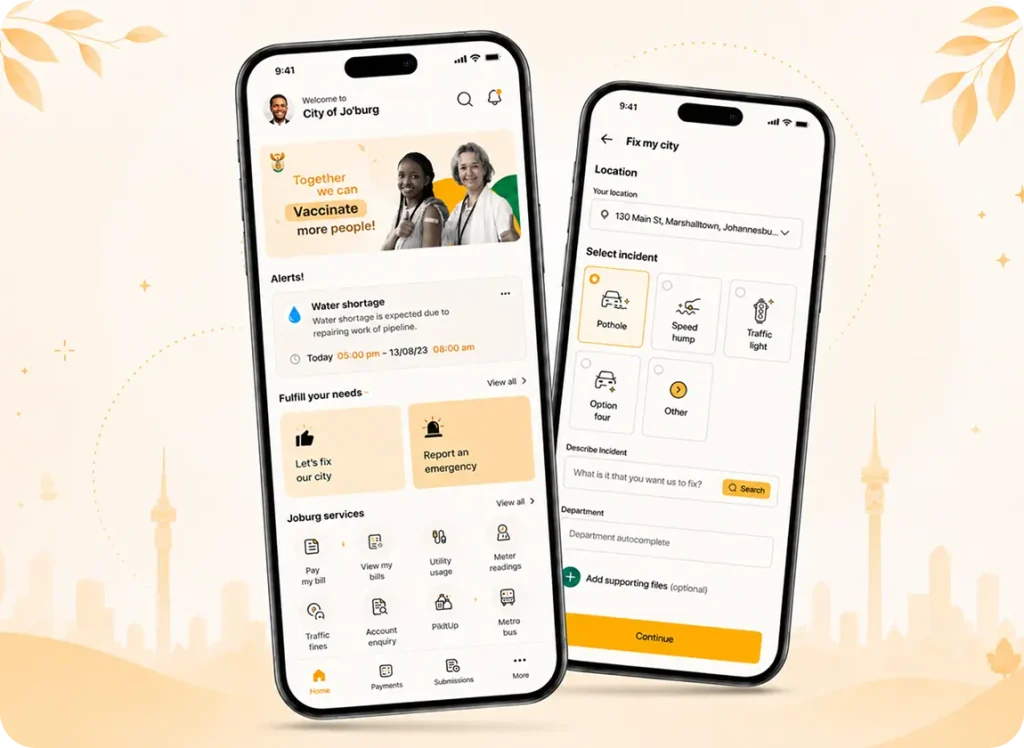
Mindster engineered a scalable Field Force Management (FFM) ecosystem to revolutionize municipal service delivery for a metropolitan population of over 5 million. By developing a custom AWS-native middleware bridge, we seamlessly integrated ServiceNow (CRM) with citizen-facing channels (Mobile App and WhatsApp). This digital transformation empowered residents to report incidents in real-time while providing field agents with an automated, SLA-driven workflow for rapid resolution.

As the largest and most populous city in South Africa, the municipality faced mounting challenges in illegal dumping, service responsiveness, and operational transparency. The official waste disposal entity, responsible for millions of residents, required an automated system to replace fragmented reporting channels and manual dispatching with a centralized, data-driven field operations hub.
THE SCOPE
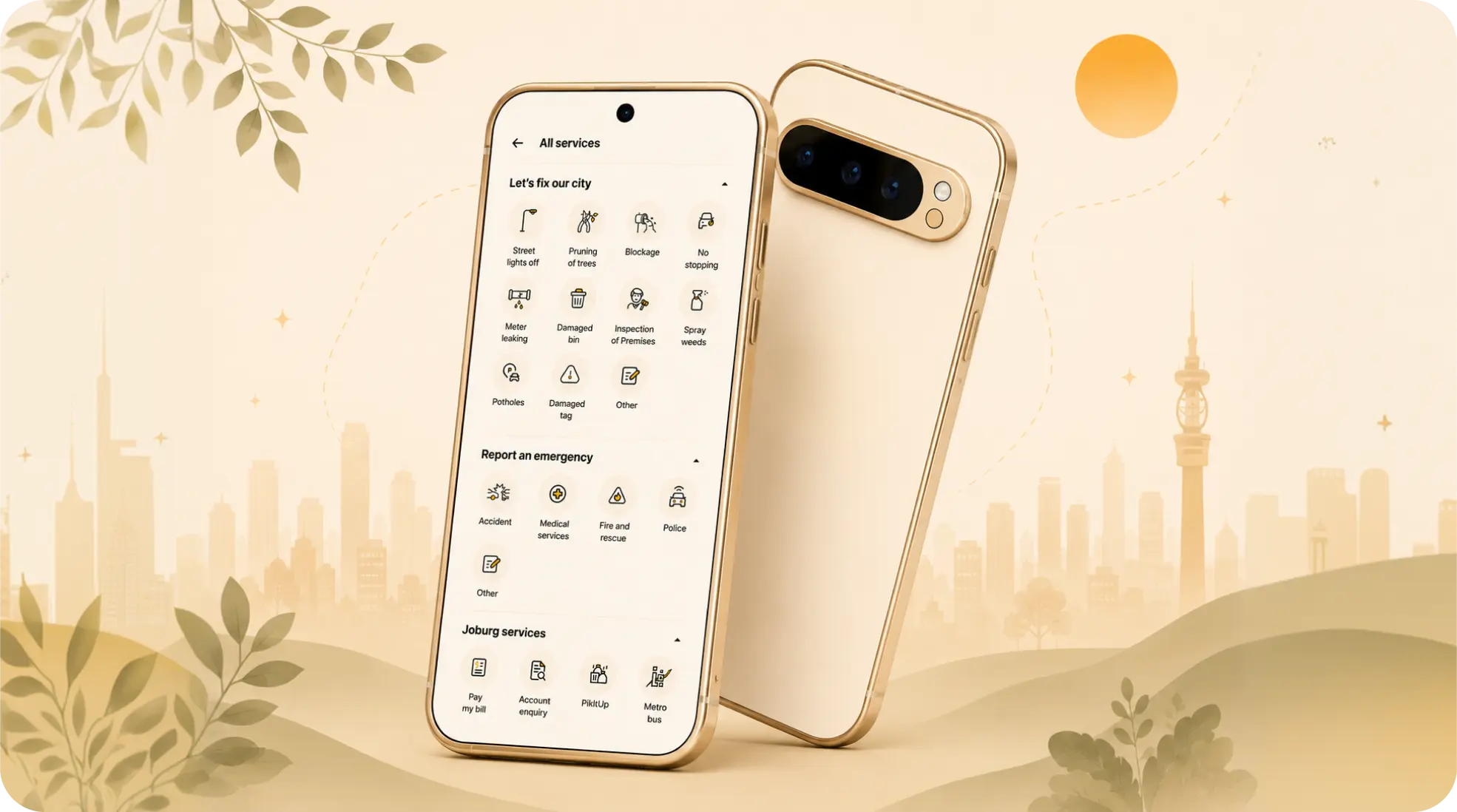
The scope of the project includes development of Field Force Management (FFM) systems, integrating with Customer-facing Mobile App and WhatsApp reporting incidents and submitting service requests. The supporting FFM portal and WhatsApp for field service agents are also be integrated.
The project was planned in two stages
Stage One
Incident management in Customer App, WhatsApp, and FFM portal being delivered at the first stage
Stage Two
Service request management for all apps being delivered following.
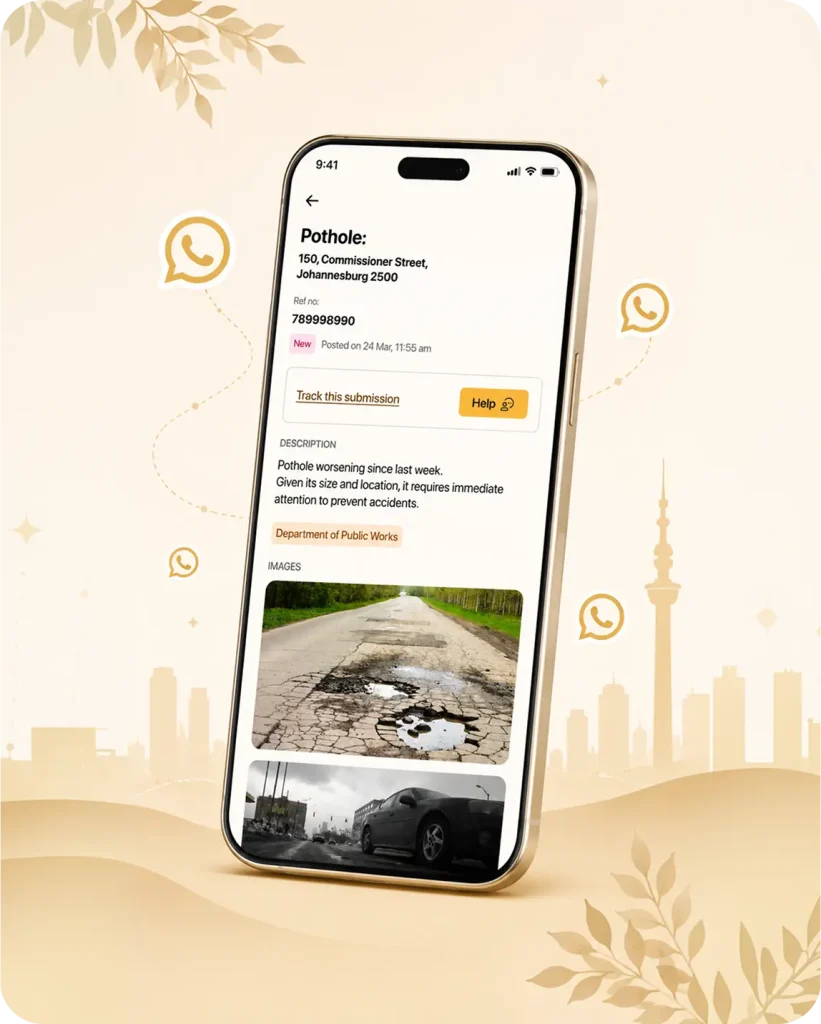
Figure 2: An app screen showing the Digital Evidence & Tracking Interface
Mindster developed a Serverless Field Service Integration (FSI) Bridge to serve as the brain of the operation.
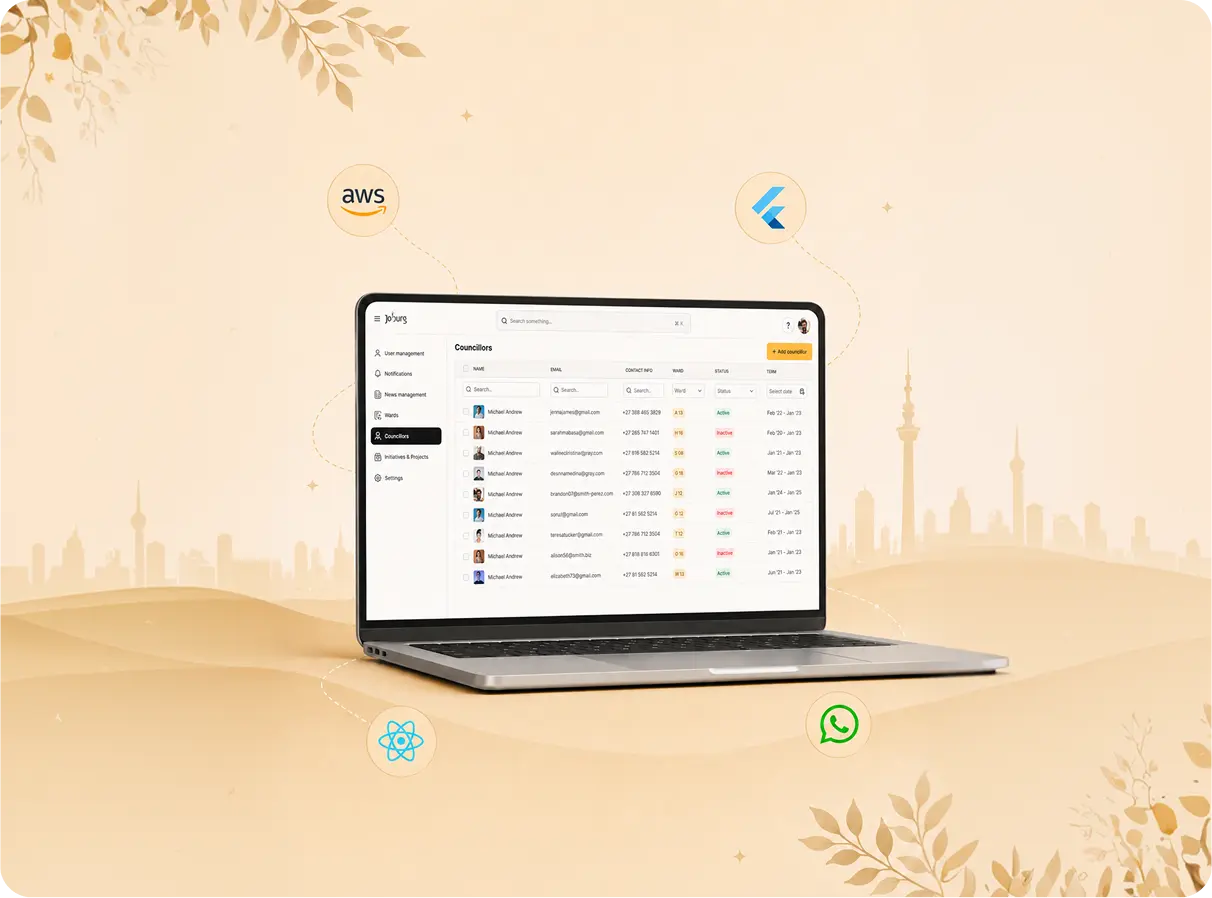
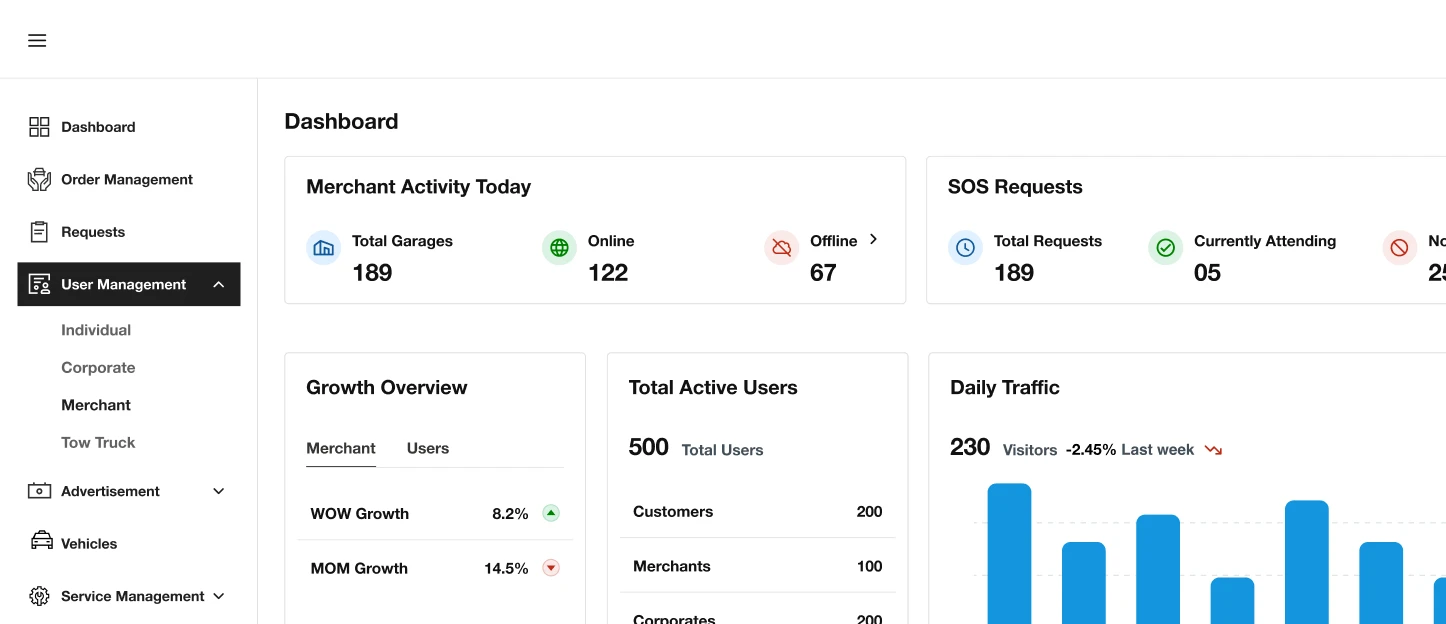
Figure 3: FFM (Field Force Management) Portal designed for municipal leadership
Backend
AWS Lambda, AWS API Gateway, AWS SQS (Serverless Architecture).
Frontend
Flutter (Citizen App), React JS (FFM Web Portal), WhatsApp Business API (Field Agent Interaction).
Core Integrations
ServiceNow (ITSM/CRM), KYC Identity Verification, and Gon Pay (Payment Gateway for commercial requests.
To support 5 million residents and provide a seamless municipal experience, we chose an event-driven stack that balances high-volume data throughput with rapid field-force deployment.
| COMPONENT | TECHNOLOGY STACK | CORE FUNCTIONAL ROLE |
|---|---|---|
| Citizen Touchpoints | Flutter (Mobile) / WhatsApp Business API | Enables residents to report incidents (Illegal dumping, bin requests) with geo-tagging and photo evidence. |
| Identity & Trust | KYC Ident Integration | Validates citizen data against government/police systems to ensure accountable and verified reporting. |
| Enterprise CRM | ServiceNow (ITSM) | Serves as the official "System of Record" for all municipal service requests and ticket history. |
| The "Brain" (FSI Bridge) | AWS Lambda, SQS, API Gateway | The event-driven middleware developed by Mindster to route data between citizen apps and the ServiceNow backend. |
| Operations Hub | React JS (Web Portal) | Provides Depot Managers with a centralized dashboard for worker assignment, depot-level analytics, and SLA tracking. |
| Field Execution | WhatsApp Business API | Delivers real-time task notifications to agents on-site and captures "Before/After" resolution photos. |
| Financial Layer | Gon Pay Integration | Facilitates secure payments for commercial bin services and specialized municipal waste requests. |
CORE ARCHITECTURE
Our solution bridges the gap between citizen engagement and municipal operations through a 4-step automated workflow, built on a resilient AWS-ServiceNow architecture.
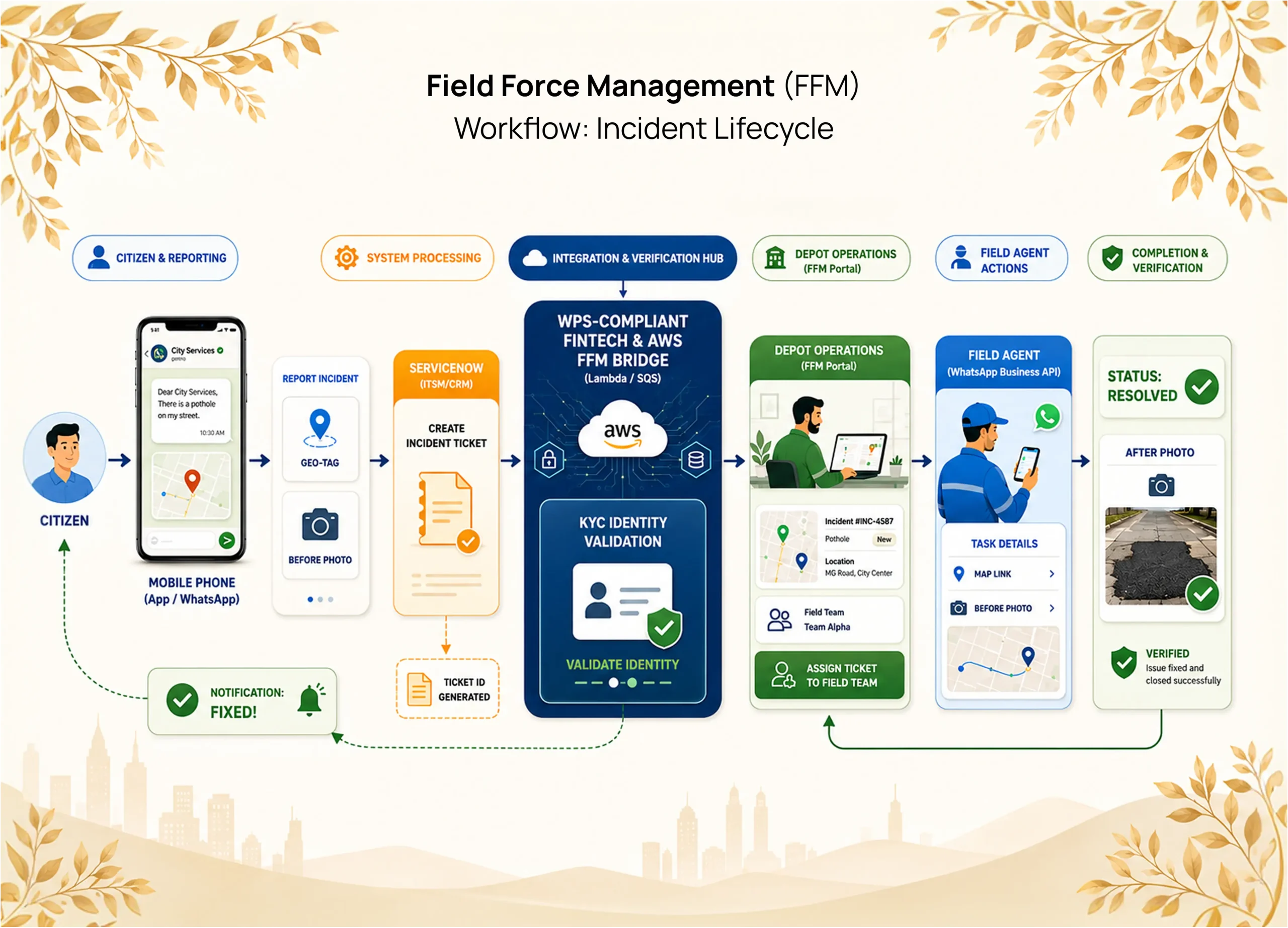
Figure 4: Illustration of the End-to-End Incident Lifecycle for the Smart City Field Force Management (FFM) system.
Residents register via the Flutter-based mobile app using e-KYC verification (via KYC Ident). This ensures that every incident report is tied to a verified identity. Citizens can report issues such as illegal dumping, missed collections, or dead animal removal via the app or a WhatsApp Chatbot. The system automatically captures GPS geo-location and photo evidence, ensuring 100% data accuracy from the source.
Once a report is submitted, the AWS FSI Bridge (utilizing Lambda and SQS) pulls the ticket data from ServiceNow in real-time. The system’s intelligent routing logic then identifies the specific Geographical Depot responsible for that zone. This ensures that the right team receives the right task instantly, removing the need for manual administrative intervention and reducing dispatch lag.
Depot Managers assign tickets to supervisors and drivers via the FFM Web Portal (React JS). Field agents receive task details—including the exact map link and “before” photo—directly on the WhatsApp Business API. Agents address the issue on-site and upload “after” photos via WhatsApp, which the AWS Bridge instantly syncs back to the FFM Portal and ServiceNow to close the feedback loop.
To maintain municipal standards, the system continuously monitors Service Level Agreement (SLA) timelines. If a ticket remains unassigned or unresolved beyond the city’s mandated timeframe, the AWS Bridge triggers automated escalation emails to senior management. This ensures total operational accountability and high service delivery standards.
Every smart city faces unique hurdles, from fragmented incident reporting to manual field dispatching. Let’s apply our high-scale, event-driven architecture to transform your city’s operations.
THE CHALLENGE
Frequent revisions to municipal functional flows require a flexible architectural approach.
Syncing real-time incident data between citizen apps and legacy backend
systems.
Field agents lack a low-barrier tool (like WhatsApp) to receive and update ticket statuses on-site.
RESULTS & MEASURABLE IMPACT
The implementation of the Field Force Management (FFM) system transitioned the city from a reactive, manual process to a proactive, data-driven operation. The following key benefits were achieved
By eliminating paper-based reporting, every incident—from illegal dumping to street cleaning—is now tracked with a digital audit trail. The ServiceNow integration ensures that every action is timestamped, providing municipal leaders with a real-time view of city-wide hygiene.
The AWS-powered routing engine automatically directs tickets to the nearest geographical depot. By bypassing manual dispatching and delivering tasks directly to field agents via WhatsApp Business API, the time from "Report" to "Resolution" has been significantly shortened.
The system doesn't just collect data; it communicates. Residents receive automated notifications when their request is "Assigned," "In Progress," and finally "Resolved" (including an "after" photo). This transparency has dramatically improved citizen engagement and satisfaction levels.
Operational bottlenecks are now identified automatically. If a ticket remains unassigned beyond its Service Level Agreement (SLA) window, the system triggers immediate escalation emails. This ensures that high-priority issues like dead animal removal or hazardous waste are addressed within 24–48 hours.
The Serverless (AWS Lambda/SQS) architecture allows the city to scale its reporting capacity during peak periods without investing in expensive physical hardware. The "Pay-as-you-go" cloud model ensures the system remains cost-effective as more municipal services are added to the platform.
CLIENT SUCCESS STORIES
E-Scoot is a connected multi-branch eScooter rental and fleet management platform engineered across Android, iOS, and web applications…
 Travel
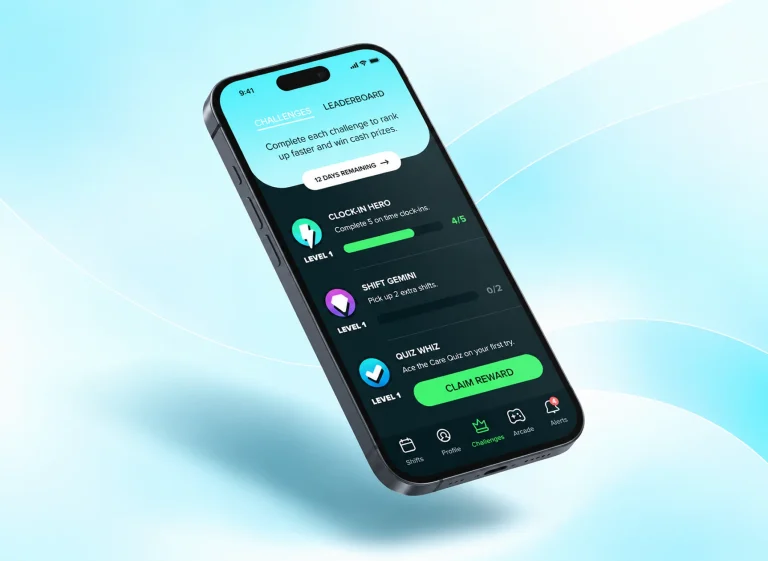
CareCrown is a multi-tenant home care scheduling and workforce management mobile application developed for independent healthcare providers using…
 Healthcare
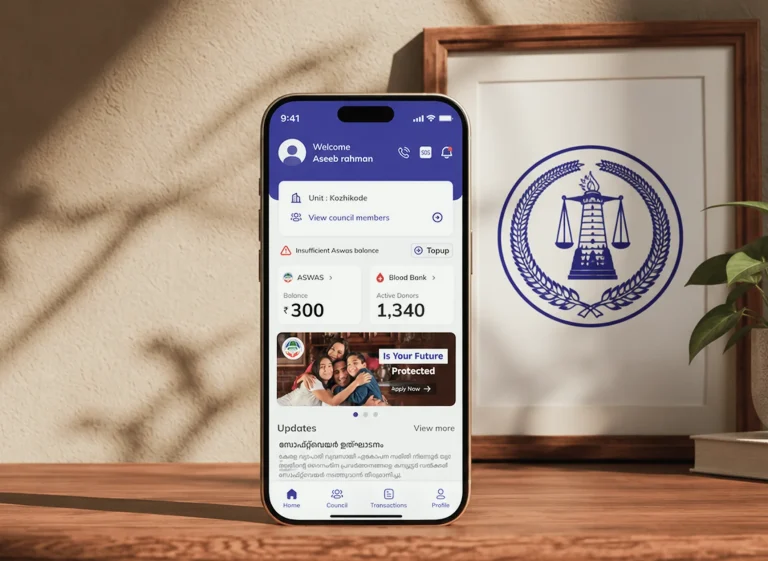
The KVVES Aswas digital ecosystem transforms a traditional merchant welfare program into a compliance-ready fintech platform powered by…
 Fintech
The Medical AI Assistant is a cross-platform mobile application built on Flutter, Django, and WebSockets that extends a…
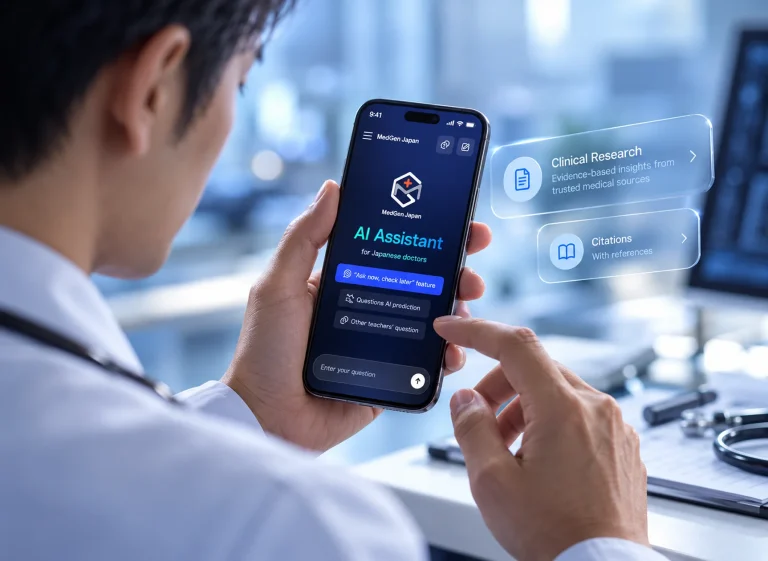 Healthcare
Triveni Turbines’ legacy engineering simulation tools were modernized into a scalable, web-based platform, enabling multiple engineers to run…
 Manufacturing & Distribution
Malabar Gold & Diamonds Automated Retail Packaging Logistics is an enterprise-grade platform built on Flutter and PHP Laravel…
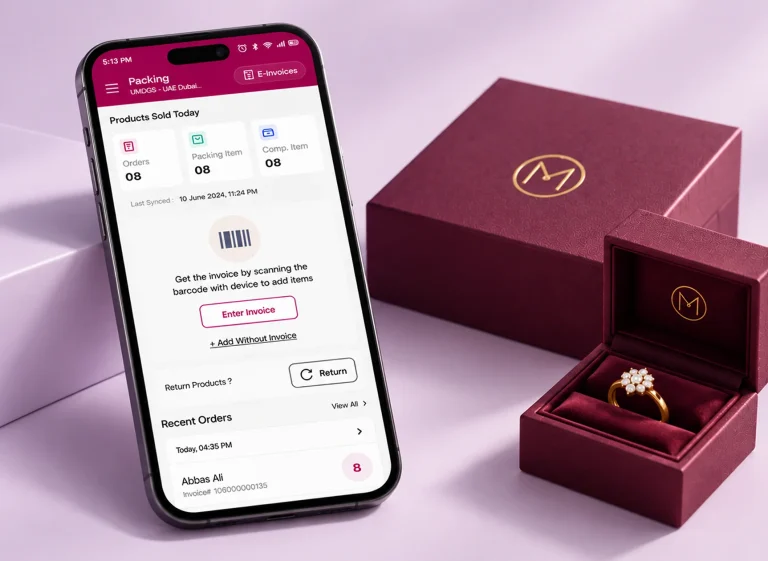 Jewelry
A self-hosted IoT worker safety ecosystem built to decode raw EV-04 hardware streams without third-party aggregators, delivering real-time…
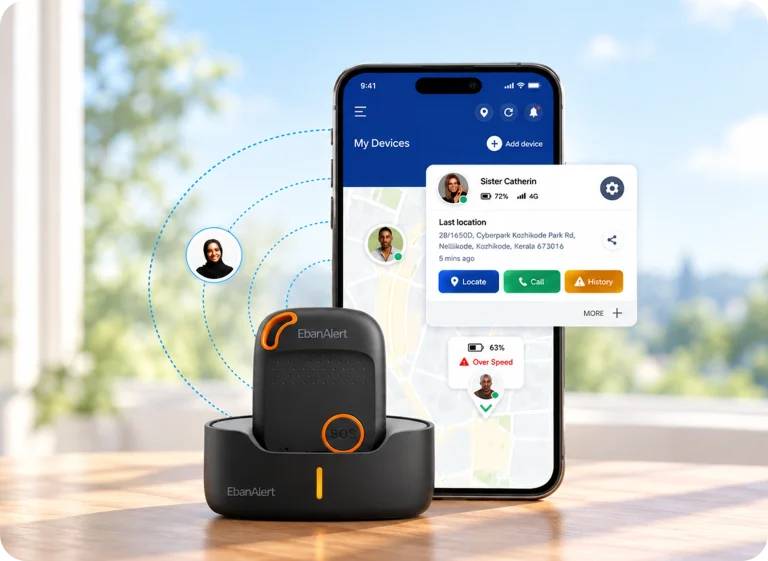 Custom App Development
Qatar University Smart Locker Management Ecosystem is an enterprise-grade middleware platform built on PHP Laravel that bridges user-facing…
 Custom App Development
LATEST BLOG
FAQ'S
The most effective approach is through an API Bridge or middleware layer. In this project, we utilized AWS Lambda and SQS to decouple the ServiceNow CRM from field operations. This allows incident tickets to be routed in real-time to specific geographical depots and assigned to agents via a mobile app or WhatsApp Business API, ensuring the main CRM isn't bogged down by field-level data processing.
The WhatsApp Business API provides a low-friction, high-adoption channel. Agents receive ticket details, map links, and "before" photos without needing to learn a complex new app. By allowing agents to upload "after" photos and update status in real-time, the system significantly improves SLA compliance and data accuracy from the field.
By integrating a third-party service like KYC Ident, municipal platforms can validate citizen identities against government or police databases. This prevents fraudulent reporting of "ghost" incidents, ensures accountability for high-value commercial waste requests, and allows the city to maintain a verified database for billing and service tracking.
Yes. An AWS Serverless architecture (API Gateway, Lambda, and SQS) is ideal for municipal scale. It allows the system to scale automatically during peaks—such as illegal dumping surges or storm-related disruptions—and ensures that no report is lost even if the backend CRM is undergoing maintenance, thanks to SQS queuing.
The system tracks the entire Incident Lifecycle from the moment a ticket is created in ServiceNow to its final resolution. If a ticket remains unassigned or unresolved beyond the city’s mandated timeframe, the FSI Bridge automatically triggers escalation emails to Operations Managers, ensuring total transparency and accountability.
The FFM Portal utilizes geo-fencing to automatically route tickets to the depot responsible for that specific zone. This eliminates manual dispatch errors and ensures that waste collection vehicles are deployed to the closest incidents, reducing fuel costs and improving response times for residents.
Yes. Data security is built into the architecture. All citizen interactions, whether via the Flutter app or WhatsApp, are encrypted. By using secure gateways like KYC Ident and Gon Pay, sensitive identity and financial information are handled according to POPIA (South Africa) and GDPR standards.
Far far away, behind the word mountains, far from the countries Vokalia and Consonantia, there live the blind texts. Separated they live in Bookmarksgrove right at the coast
Far far away, behind the word mountains, far from the countries Vokalia and Consonantia, there live the blind texts. Separated they live in Bookmarksgrove right at the coast
Get In Touch