

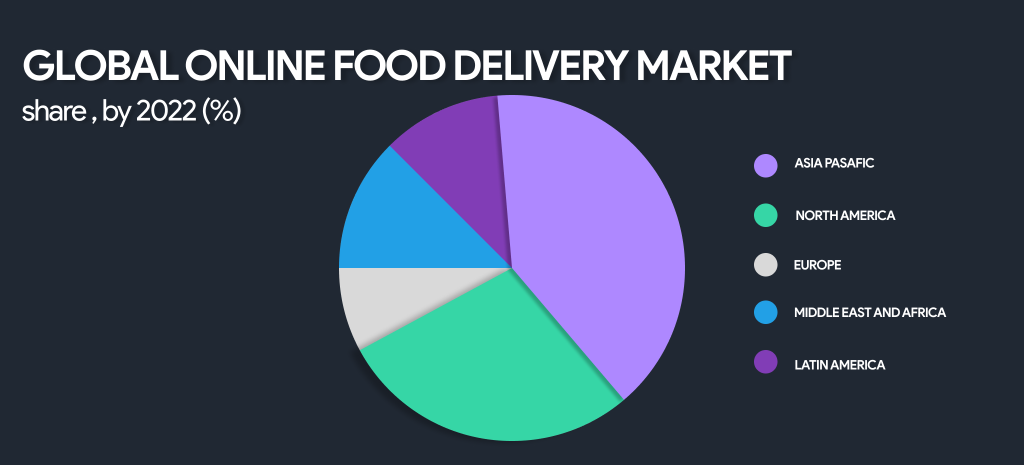

The on-demand economy has reshaped how people buy products and access services. From food delivery and ride-hailing to home services and B2B procurement, customers now expect speed, convenience, and reliability by default. For businesses, this has made multi-vendor marketplaces one of the most powerful digital business models.
However, building an on-demand marketplace is not just about launching an app. It involves creating a tightly connected ecosystem where customers, vendors, delivery partners, and administrators operate in sync. This blog breaks down what it really takes to build a scalable, reliable, multi-vendor on-demand marketplace and why getting the foundation right matters.
Understanding the Marketplace as an Ecosystem
A common mistake is treating a marketplace as a single application. In reality, successful platforms are built as ecosystems—multiple applications and systems working together in real time. Each stakeholder has different expectations, and the platform must balance them without friction.
At the core, a complete on-demand marketplace consists of four essential platforms:
- Customer application
- Vendor application
- Delivery application (where applicable)
- Admin panel
Each plays a distinct role, and weaknesses in any one layer quickly impact the entire system.
Customer Application: Where Adoption Begins
The customer app is the most visible part of the marketplace—and often the most unforgiving. Users decide within seconds whether to stay or leave.
A well-designed customer app focuses on:
- Fast onboarding and intuitive navigation
- Accurate search and filters
- Clear pricing and availability
- Real-time order tracking
- Multiple, familiar payment options
Beyond features, the real challenge is flow. Every extra step increases drop-offs. Leading platforms succeed by making complex operations feel simple, whether it’s booking a service or tracking a delivery. Personalization, powered by user behavior and history, further improves retention without overwhelming the user.
Vendor Application: The Supply Side Engine
A marketplace grows only as fast as its vendors can operate. The vendor app is not just a dashboard—it’s a daily business tool.
Key capabilities include:
- Real-time inventory or service availability updates
- Order acceptance and fulfillment tracking
- Sales and performance analytics
- Promotion and discount management
- Transparent earnings and payout reports
When vendors clearly understand their earnings, commissions, and performance, they are more likely to stay active and deliver better service. Poor vendor tools often lead to delayed orders, cancellations, and platform churn.
Delivery Application: The Execution Layer
For marketplaces dealing with physical goods or on-site services, delivery is where promises are either kept or broken.
A reliable delivery app focuses on:
- Smart order assignment
- Route optimization using real-time data
- In-app navigation and status updates
- Proof of delivery and issue reporting
- Clear earnings breakdowns
Efficiency here directly impacts customer satisfaction. Delays, miscommunication, or lack of visibility quickly reflect poorly on the entire platform—not just the delivery partner.
Admin Panel: Full Visibility and Control
The admin panel acts as the control center of the marketplace. It provides operational clarity and allows teams to act before small issues become large problems.
Core admin capabilities include:
- User and vendor management
- Live order and transaction monitoring
- Commission and payout controls
- Dispute handling and refunds
- Content and review moderation
Advanced platforms also use automation and AI to flag fraud, detect abnormal behavior, and reduce manual workload. This allows operations teams to focus on growth and optimization rather than firefighting.
Real-Time Matching Algorithms: Getting the Right Fit
In on-demand platforms, matching is not about who is closest—it’s about who is most suitable right now. Effective matching systems consider availability, workload, historical performance, demand intensity, and customer preferences.
Machine learning improves these decisions over time by learning which matches lead to faster completion, fewer cancellations, and higher ratings. This intelligence layer quietly improves reliability without users ever noticing the complexity behind it.
Dynamic Pricing Engines: Keeping the Marketplace Functional
Static pricing fails in real-world demand conditions. Dynamic pricing helps balance supply and demand by adjusting prices based on time, location, availability, and demand surges.
When implemented transparently, users understand why prices change, and vendors are incentivized to stay active during peak hours. The goal is not price inflation, but marketplace stability—ensuring orders can still be fulfilled when demand spikes.
Commission Management Systems: Sustaining Vendor Trust
Commission structures directly affect vendor retention. A strong system supports flexible models such as percentage-based, flat fees, or tiered pricing based on performance.
Equally important is clarity. Vendors should see exact commission deductions before accepting an order and receive detailed payout reports. This transparency reduces disputes and builds long-term trust between the platform and its partners.
Multi-Payment Gateway Integration: Removing Friction at Checkout
Payment is a critical conversion point. Marketplaces must support multiple gateways, wallets, and regional payment methods to match user preferences.
Features like saved payment methods, split payouts, secure retries, and compliance with payment standards significantly reduce checkout abandonment. A smooth payment experience often determines whether users complete an order or leave.
Rating and Review Systems: Maintaining Quality at Scale
Trust is the currency of marketplaces. Rating and review systems help users make decisions while holding vendors accountable.
Effective systems include:
- Verified customer reviews
- Category-based ratings
- Vendor response options
- Moderation and spam control
Advanced platforms analyze sentiment and prioritize recent feedback, ensuring current performance matters more than outdated ratings.
Dispute Resolution Workflows: Protecting Platform Credibility
Disputes are inevitable. What matters is how efficiently they are resolved.
Automated workflows can instantly resolve common issues such as late deliveries or missing items, while structured escalation handles complex cases. Evidence-based decisions ensure fairness and consistency, protecting both users and vendors without overloading support teams.
Logistics Integration: Delivering on Expectations
Logistics integration connects the marketplace with third-party delivery services, warehouses, and inventory systems. It enables real-time stock visibility, smoother returns, and flexible delivery options.
Advanced platforms use demand forecasting and route optimization to reduce delivery times and costs—especially during high-volume periods.
Analytics Dashboard: Turning Data into Direction
Data without insight is noise. A strong analytics layer tracks GMV, revenue, customer behavior, vendor performance, and delivery efficiency.
Advanced dashboards go further by enabling cohort analysis, forecasting demand, and running A/B tests. This allows marketplace owners to make informed decisions and continuously improve performance.
Final Thoughts: Building with the Right Development Partner
A successful on-demand marketplace is not built on features alone. It requires thoughtful architecture, scalable systems, real-time intelligence, and continuous optimization.
This is where an experienced development partner becomes critical. Mindster, as an eCommerce and on-demand app development company, builds end-to-end multi-vendor marketplace solutions—from customer and vendor apps to delivery systems and admin platforms. With a strong focus on scalability, performance, and real-world operational needs, Mindster helps businesses launch marketplaces that are reliable today and adaptable for future growth.
In the on-demand economy, platforms that win are those that work quietly, consistently, and efficiently in the background. With the right strategy and the right technology partner, building such a marketplace is not just possible—it’s sustainable.

Professional content writer Akhila Mathai has over four years of experience. She writes posts about the different mobile app solutions we offer as well as services related to them. Her ability to conduct thorough research and think critically enables her to produce excellent, authentic, and legitimate content. Along with her strong communication abilities, she collaborates well with her teammates to create information that is current and relevant to emerging technology.

