


Loyalty Program ROI: How Mobile Apps Increase Customer Retention by 40%
24 Jan 26 
Share To:


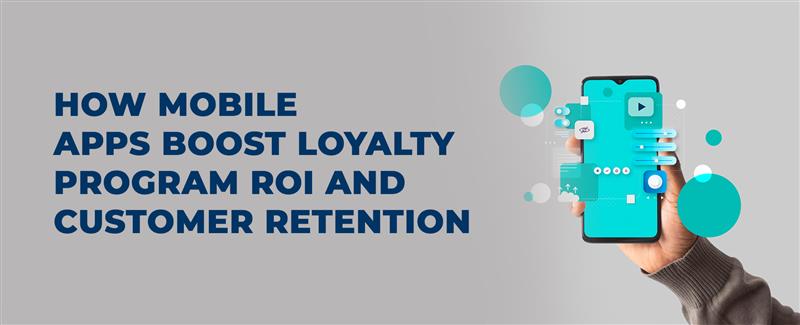
Getting customers to come back matters more than ever. While businesses spend heavily on acquiring new shoppers, the real profit comes from customers who return repeatedly. Mobile apps have emerged as powerful tools for retention, boosting customer loyalty by measurable percentages that directly impact your bottom line.
The numbers tell a clear story. Apps generate conversion rates 157% higher than mobile websites. App users view over four times as many products per session compared to website visitors. Most importantly, loyalty programs delivered through mobile apps can increase customer retention by 40% or more when implemented correctly.
This isn’t about adding another marketing channel. It’s about creating a retention system that pays for itself through increased customer lifetime value, higher repeat purchase rates, and lower acquisition costs.
What is Loyalty Program ROI?
Loyalty program ROI measures the financial return you get from investing in customer loyalty initiatives. It compares the revenue generated by loyalty members against the costs of running the program.
The calculation is straightforward: companies with strong loyalty programs see an average ROI of 4.8x. This means for every dollar spent on the program, they earn $4.80 back. The best programs deliver even higher returns through increased customer spending, improved retention, and lower marketing costs.
90% of program owners report positive ROI from their loyalty initiatives. This success rate exists because loyalty programs address the most expensive business challenge: customer acquisition costs have risen 222% over the past decade while retention costs remain relatively stable.
Why Customer Retention Matters More Than Acquisition
Customer acquisition costs have jumped 222% over the past decade. Meanwhile, keeping existing customers costs six to seven times less than finding new ones. This economic reality makes retention strategies essential for sustainable growth.
Mobile apps create advantages that websites simply cannot match. When customers download your app, you gain a permanent spot on their device. Your brand icon sits alongside their most-used applications. Push notifications reach them directly on their lock screen without competing for attention in crowded email inboxes.
The financial impact shows up quickly. Loyalty program members spend 12-18% more each year compared to non-members. Customers who actively redeem rewards spend 3.1 times more annually than those who don’t engage with the program. Even better, 84% of consumers report they’re more likely to stick with brands offering meaningful rewards.
A 5% improvement in customer retention can boost profits anywhere from 25% to 95%. That single statistic explains why smart businesses are shifting budgets from acquisition to retention. The math favors keeping customers over constantly chasing new ones.
How Do Mobile Apps Increase Customer Retention?
Mobile apps transform standard loyalty programs into retention machines through features that desktop and mobile web simply cannot deliver effectively.
Push notifications drive immediate action. Unlike emails that sit unread, push notifications appear directly on lock screens. Brands use them to announce flash sales, remind customers about expiring points, and provide order updates. This direct communication keeps your brand top-of-mind without relying on customers to check their inbox.
One-tap access removes friction. App users skip the login process. They don’t need to navigate through browsers or remember passwords. This convenience matters because every extra step in the customer journey creates opportunities for abandonment. Apps eliminate these friction points, making purchases and reward redemptions effortless.
Personalization reaches new levels. Mobile apps collect data on browsing patterns, purchase history, and engagement frequency. This information enables targeted offers that match individual preferences. When customers see rewards that genuinely interest them, redemption rates climb. Personalized loyalty experiences increase conversion rates by 15-20%.
Gamification creates habit loops. Successful apps incorporate game-like elements such as daily check-ins, achievement badges, and progress bars showing advancement toward the next reward tier. These features tap into psychological drivers that keep users opening the app regularly. The more often customers engage, the stronger their brand connection becomes.
Exclusive app-only benefits justify the download. Smart brands offer special discounts, early product access, or bonus points available only through the mobile app. This strategy gives customers a compelling reason to download and creates additional value beyond the standard loyalty program.
How to Measure Loyalty Program Success
Tracking the right numbers separates effective loyalty programs from those that drain resources without delivering results. Focus on metrics that directly connect to business outcomes.
Customer Lifetime Value (CLV) shows the total revenue expected from a customer throughout their relationship with your brand. Well-designed loyalty programs increase CLV by 25% by encouraging more frequent purchases and higher order values. Calculate this by multiplying average revenue per customer by the expected relationship duration, then subtract service costs.
Repeat purchase rate measures the percentage of customers who buy multiple times. Retail brands with strong loyalty programs see rates jump 20-30%. Calculate this by dividing repeat customers by total customers. Higher rates signal that your loyalty program successfully turns one-time buyers into regular shoppers.
Redemption rate reveals program engagement. This metric shows what percentage of earned points or rewards customers actually use. Steady or increasing redemption indicates your rewards have genuine appeal. Declining rates suggest rewards are too expensive, too complicated to claim, or simply don’t interest your audience.
Customer retention rate tracks how many customers continue buying over time. Since acquiring new customers costs five times more than retaining existing ones, even modest improvements here create significant financial gains. Loyalty programs typically boost retention by 10-20%.
Net Promoter Score (NPS) measures customer satisfaction and loyalty through a simple question about likelihood to recommend your brand. Scores above 50 are excellent, above 80 are world-class. High NPS correlates strongly with CLV because satisfied customers make repeat purchases and refer others.
Track these metrics monthly. Look for trends rather than fixating on individual data points. When you spot declining numbers, investigate immediately. Your loyalty program should show consistent improvement across multiple metrics, not just one or two.
Best Practices for Mobile Loyalty Programs
Creating a mobile loyalty program that actually delivers 40% retention improvements requires more than basic points and rewards. The most successful programs share specific characteristics.
Tiered structures motivate progression. Programs with bronze, silver, and gold levels give customers clear goals. Each tier unlocks better benefits, creating psychological buy-in. Members work toward higher status, spending more to reach the next level. This structure taps into achievement motivation that drives repeat purchases.
Multiple earning opportunities extend engagement. Beyond purchases, let customers earn points through reviews, social shares, referrals, and content creation. These actions cost you little but keep customers actively involved with your brand between shopping trips. Members who engage through multiple channels develop stronger loyalty than those who only earn points from purchases.
Flexible redemption options respect preferences. Some customers want discounts on their next order. Others prefer free shipping or exclusive products. Offer variety in how members use their rewards. The easier you make redemption, the more points get used, which drives satisfaction and repeat business.
Real-time updates create excitement. When customers earn points, notify them instantly through the app. Show progress toward the next reward tier. Celebrate milestones with surprise bonuses. This immediate feedback reinforces positive behaviors and keeps members engaged.
Integration with the complete tech stack ensures smooth operation. Connect your loyalty platform with your CRM, email system, and analytics tools. This integration enables personalized communications based on actual behavior. It also prevents technical issues that frustrate customers and damage loyalty.
Simple, transparent rules build trust. Complicated point systems confuse customers and reduce participation. Make earning and redemption straightforward. Display point values clearly. Avoid hidden restrictions or expiration dates that catch members by surprise.
What Technology Do You Need for a Loyalty Program?
The platform powering your mobile loyalty program directly impacts its success. Modern solutions differ significantly from older systems in ways that affect performance and ROI.
API-first architecture enables flexibility. Instead of locked proprietary systems, look for platforms that connect easily with your existing tools through APIs. This approach cuts maintenance costs by 30-40% while enabling real-time data exchange across your marketing stack.
Cloud-based systems scale automatically. When your loyalty program succeeds and membership grows, cloud platforms handle the increased load without performance issues. You avoid the technical headaches and costs of managing servers yourself.
Analytics capabilities turn data into action. Built-in dashboards should track redemption patterns, churn risks, and campaign effectiveness. Real-time insights help you spot problems early and optimize strategies quickly. The best platforms predict which customers might leave before they actually do.
Seamless integration reduces friction. Your loyalty program should sync with inventory systems, point-of-sale terminals, customer data platforms, and marketing tools. This creates consistent experiences across all touchpoints. When systems talk to each other, customers enjoy smooth interactions whether shopping online, in-store, or through the app.
Automation saves time while improving results. Modern platforms automatically trigger rewards based on customer behavior, send personalized offers at optimal times, and update member status without manual intervention. This automation ensures consistent execution while freeing your team to focus on strategy rather than operational tasks.
The technology investment pays for itself through operational efficiency and improved program performance. Businesses using modern loyalty platforms report average ROI of 4.8x their investment.
Real Results: Loyalty Program ROI Examples
Numbers from actual implementations prove the ROI potential of mobile app loyalty programs.
Starbucks Rewards stands as one of the most successful loyalty programs globally. Members can earn stars with every purchase, unlock free drinks, and access exclusive offers through the mobile app. The program drives over 50% of Starbucks’ sales in the U.S., with 31 million active members generating significantly higher average spending than non-members. The app’s seamless mobile ordering and payment features combined with reward tracking create a powerful retention tool.
Sephora Beauty Insider demonstrates loyalty excellence in the beauty industry. The tiered program offers points for purchases, early access to products, and exclusive beauty events. Members account for 80% of Sephora’s annual sales, with VIP tier members spending 10 times more than non-members. The mobile app enhances the experience with personalized product recommendations and virtual try-on features.
Nike Membership goes beyond transactions by rewarding fitness activities tracked through their app. Members earn points not just from purchases but from workout milestones, app engagement, and birthday rewards. This approach has helped Nike build a community of 300 million members globally, with members showing 3x higher lifetime value compared to non-members.
Domino’s Piece of the Pie Rewards simplified pizza loyalty with a straightforward earn-and-redeem structure through their mobile app. Customers earn points with every order, and the app makes ordering effortless with saved preferences and one-tap reordering. The program contributed to Domino’s achieving 50% of sales through digital channels.
Target Circle combines purchase rewards with personalized offers and community giving. The mobile app integration allows members to access deals, track earnings, and use rewards seamlessly at checkout. Target reports that Circle members visit stores 4 times more frequently and spend 5 times more than non-members annually.
Walgreens Balance Rewards transformed pharmacy loyalty by rewarding healthy behaviors alongside purchases. Members earn points for prescriptions, health activities, and shopping. The mobile app includes prescription management and photo services, creating multiple touchpoints for engagement. The program boasts over 100 million active members.
Across industries, the pattern remains consistent. Fashion and beauty brands see 15-25% revenue increases from engaged loyalty members. Grocery and food retailers report 20-30% improvements in repeat purchase rates when loyalty integrates with mobile ordering. Subscription businesses achieve 10-20% better retention rates through loyalty programs that reward consistent membership.
The global loyalty management market growth tells the broader story. The industry has grown from $13.31 billion to an expected $93.79 billion, representing 15.9% annual growth. This expansion reflects proven ROI that keeps businesses investing in loyalty technology.
Brands excelling at loyalty program execution consistently see customers who:
- Visit the app 2-3 times more frequently than website visitors
- Generate 18% more annual revenue than non-members
- Refer friends at rates 60% higher than customers without loyalty benefits
- Show 70% lower churn compared to customers not enrolled in loyalty programs
How to Start a Mobile Loyalty Program
Building a successful mobile app loyalty program follows a clear sequence. Rushing this process or skipping steps typically leads to poor adoption and disappointing results.
Start with customer research. Survey your current customers about reward preferences. What motivates them to return? What benefits would they actually use? This insight prevents building a program around rewards nobody wants. 73% of customers want personalized rewards, but only 45% of brands deliver them. Close this gap from the start.
Design your reward structure. Decide whether points, cashback, tiered memberships, or a combination works best for your business model. Consider your profit margins when setting point values. The program should drive profitable behavior, not just any purchases.
Choose technology that fits your needs. Evaluate platforms based on integration capabilities, scalability, and analytics features. Look for systems that support your current operations while allowing room to grow. The cheapest option often costs more long-term through limited functionality.
Create compelling app-exclusive benefits. Give customers strong reasons to download by offering rewards available only through the mobile app. Early access, bonus points, or special discounts justify the download.
Plan your launch communications. Existing customers need clear explanations of program benefits and how to join. New customers should learn about the loyalty program during their first purchase experience. Multi-channel promotion through email, SMS, and in-store signage drives initial adoption.
Monitor, measure, and optimize continuously. Track your key metrics weekly during the first three months. Look for friction points where customers struggle. Adjust reward values if redemption rates lag. Test different communication strategies to find what drives engagement.
Gather customer feedback regularly. Ask members what they like and what frustrates them. Use this input to refine the program. Customers appreciate when brands listen and respond to suggestions.
Most successful programs show meaningful results within 90 days. By six months, you should see clear ROI through improved retention metrics and increased purchase frequency from members.
Conclusion: Is a Mobile Loyalty Program Worth It?
Mobile apps paired with strategic loyalty programs create retention systems that deliver measurable ROI. The 40% improvement in customer retention isn’t marketing hype. It’s the result of combining convenient mobile experiences with rewards that genuinely motivate repeat purchases.
The economics favor action. With customer acquisition costs continuing to rise while retention costs remain stable, every business should prioritize keeping existing customers. Mobile apps provide the platform for direct communication, convenient shopping, and engaging loyalty experiences that turn occasional buyers into regular customers.
Success requires commitment beyond basic implementation. The brands seeing exceptional results invest in understanding their customers, designing rewards that matter, choosing technology that integrates smoothly, and continuously optimizing based on data.
Partner with Experts Who Understand Loyalty Apps
Building a loyalty app that actually delivers these results requires specialized expertise. Mindster, a prominent app development company, has established itself as a leader in loyalty app development. Their team understands the technical architecture needed to support real-time rewards, personalized notifications, and seamless integration with your existing business systems.
What sets experienced developers apart is their understanding of both the technical and psychological elements that make loyalty programs succeed. They know how to design user interfaces that encourage daily engagement, implement gamification features that drive habit formation, and build backend systems that scale as your program grows.
Start by evaluating your current customer retention rates and calculating what a 20-40% improvement would mean for your revenue. That financial impact should drive your decision on whether investing in a mobile app loyalty program makes sense for your business.
The tools, technology, and proven strategies exist. Working with experienced partners like Mindster can help you implement these systems correctly from the start, avoiding costly mistakes and accelerating your path to ROI. The question is whether you’ll use them to build lasting customer relationships before your competitors do.





Professional content writer Akhila Mathai has over four years of experience. She writes posts about the different mobile app solutions we offer as well as services related to them. Her ability to conduct thorough research and think critically enables her to produce excellent, authentic, and legitimate content. Along with her strong communication abilities, she collaborates well with her teammates to create information that is current and relevant to emerging technology.
Subscribe To Our Newsletter
Check our free newsletter about mobile app development, latest technology updates, fintech, loyalty and more.
- Agentic AI1
- Android Development3
- Artificial Intelligence37
- Classified App3
- Custom App Development5
- Digital Transformation12
- Doctor Appointment Booking App14
- Dropshipping1
- Ecommerce Apps40
- Education Apps2
- Fintech-Apps38
- Fitness App4
- Flutter4
- Flutter Apps20
- Food Delivery App5
- Grocery App Development1
- Grocery Apps3
- Health Care10
- IoT2
- Loyalty Programs10
- Matrimony Apps1
- Microsoft1
- Mobile App Maintenance2
- Mobile Apps130
- On Demand Marketplace1
- Product Engineering6
- Progressive Web Apps1
- React Native Apps2
- Saas Application2
- Shopify9
- Software Development3
- Taxi Booking Apps7
- Truck Booking App5
- UI UX Design8
- Uncategorized7
- Web App Development1
 Reading Time: 5 minutes
 Reading Time: 5 minutes


services
quick links
© 2024. Mindster. All Rights Reserved

Comments